
Views: 0 Author: Site Editor Publish Time: 2025-12-05 Origin: Site


The sport of pickleball has seen a significant rise in popularity over recent years, leading to an increased interest in the equipment used, particularly the pickleball paddle. Among the various materials used for paddles, carbon fiber and fiberglass are two of the most popular choices. Each material offers distinct advantages and characteristics that cater to different playing styles and preferences. This article delves into the intricacies of both Carbon Fiber Pickleball Paddle and Fiberglass Pickleball Paddle, providing a comprehensive comparison to help players make informed decisions.
Carbon fiber is renowned for its strength-to-weight ratio, making it a preferred material in various high-performance applications, including aerospace and automotive industries. A High-Quality Carbon Fiber Pickleball Paddle offers exceptional stiffness and durability, providing players with a solid feel and enhanced control. The material's lightweight nature allows for quicker reactions and maneuverability, crucial for competitive play.
Fiberglass, on the other hand, is known for its flexibility and shock absorption capabilities. It is slightly heavier than carbon fiber, which can provide more power in shots due to the increased mass. A Fiberglass Pickleball Paddle is often favored by players who prioritize power and spin over control and precision. The material's elasticity also contributes to a softer feel, which can be beneficial for players with joint concerns.
When it comes to control and precision, carbon fiber paddles generally outperform fiberglass. The rigidity of carbon fiber allows for precise shot placement and minimal energy loss during impact. This characteristic is particularly beneficial for advanced players who rely on strategic shot placement and finesse. A Carbon Fiber Pickleball Paddle Enhanced Control model can significantly improve a player's ability to dictate the pace and direction of the game.
Fiberglass paddles excel in generating power and spin. The material's flexibility allows for a trampoline effect, where the ball is propelled with greater force upon impact. This can be advantageous for players who prefer a more aggressive style of play. The ability to impart spin is also enhanced, allowing for more dynamic and unpredictable shots that can challenge opponents.
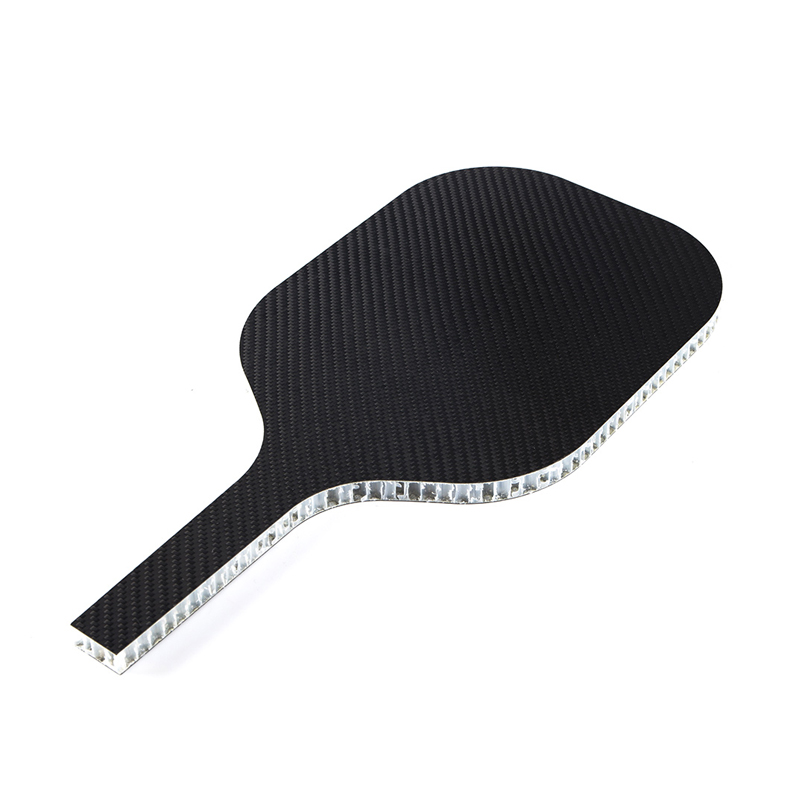
Carbon fiber paddles are known for their long-lasting durability. The material's resistance to wear and tear ensures that paddles maintain their performance characteristics over time. However, they can be more susceptible to damage from direct impacts or mishandling. Regular inspection and proper storage are recommended to prolong the lifespan of a carbon fiber paddle.
Fiberglass paddles, while generally durable, may experience surface wear more quickly than carbon fiber. The material's flexibility can lead to micro-fractures over time, especially with frequent use. Nonetheless, fiberglass paddles are often more forgiving when it comes to accidental impacts, making them a practical choice for recreational players.
The cost of pickleball paddles varies significantly based on material and brand. Carbon fiber paddles are typically more expensive due to the advanced manufacturing processes and material costs. However, the investment can be justified by the enhanced performance and longevity they offer. Fiberglass paddles are generally more affordable, making them accessible to a broader range of players. When choosing between the two, players should consider their budget alongside their performance needs and playing frequency.
In conclusion, the choice between a carbon fiber and fiberglass pickleball paddle ultimately depends on individual preferences and playing style. For players seeking Carbon Fiber Pickleball Paddle for Training with enhanced control and precision, carbon fiber is the superior option. Conversely, those who prioritize power and spin may find fiberglass paddles more suitable. Understanding the unique characteristics of each material can help players make informed decisions that enhance their performance on the court. As the sport continues to grow, advancements in paddle technology will likely offer even more options for players to explore.


