


Description
The High-strength Carbon Fiber Coil Tube by QINI is engineered as a premium structural component, utilizing high-purity carbon fiber as its core material. It is specifically developed to provide an optimal balance of exceptional tensile strength, significant weight reduction, and reliable structural stability for demanding engineering environments. By replacing traditional heavier materials, this tubing ensures enhanced durability while strictly managing weight constraints for critical structural assemblies.
Material Foundation: High-purity carbon fiber ensuring superior mechanical performance and long-term reliability.
Maximum Production Size: Capable of being manufactured up to 8000*800mm, accommodating large-scale structural framework requirements.
Surface Finishes: Available in both Matte and Glossy options to align with specific environmental exposures and exterior design needs.
Key Attributes: An exceptional high-strength profile seamlessly combined with lightweight properties, maintaining structural integrity under operational stress.
Process Caracteristics
The fabrication of the High-strength Carbon Fiber Coil Tube initiates with rigorous mandrel preparation. The metal mandrel, a critical component in the rolling process, must adhere to ultra-high precision standards. Its outer diameter is meticulously calibrated to perfectly match the required inner diameter of the final carbon fiber tube, ensuring exceptional dimensional accuracy. Any slight deviation in the mandrel's dimensions would directly compromise the tube's fit and structural integrity. Therefore, stringent quality control protocols are implemented at this foundational stage to eliminate potential defects and guarantee manufacturing consistency.
The subsequent and highly critical phase involves the precise layering design of the composite materials. The coil tube is engineered by meticulously winding twill or unidirectional carbon fiber prepreg layer by layer around the prepared metal mandrel. This layering architecture is scientifically optimized for maximum mechanical performance. Specifically, the fibers within the woven prepreg are strategically oriented along the 0° axis (parallel to the longitudinal length of the tube) and the 90° axis (circumferential wrapping). The 90° orientation imparts critical hoop strength, rendering the tube highly resistant to lateral extrusion and bursting pressures. Conversely, the 0° unidirectional prepreg significantly bolsters longitudinal stiffness, ensuring the tube maintains its structural shape and resists deformation under substantial tensile forces. The precise number and thickness of these prepreg layers are meticulously calculated to achieve the targeted outer diameter, striking an optimal balance between structural strength and lightweight performance.
Following the winding process, the composite assembly undergoes a controlled high-temperature curing phase to fully solidify the matrix structure. This thermal processing not only ensures a robust bond between the individual prepreg layers but also maintains a highly stable resin content throughout the carbon fiber tube. Unlike conventional curing methodologies that may result in uneven temperature distribution, advanced curing technology minimizes internal thermal stress. This precise environmental control effectively prevents the formation of micro-cracks or structural vulnerabilities. Ultimately, this meticulous curing process yields a coil tube with uniform, reliable, and superior mechanical performance across its entire dimensional profile.
Application Area
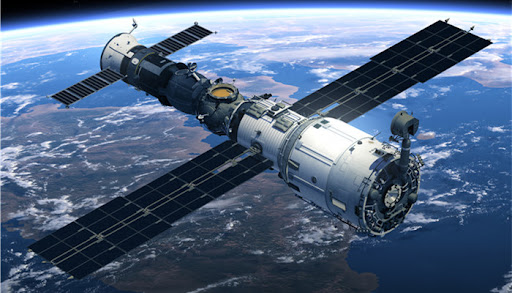
In the aerospace industry, the High-strength Carbon Fiber Coil Tube is widely used as structural components such as aircraft fuselage frames, wing stiffeners, and trusses. By replacing heavy metal parts, it significantly reduces aircraft weight while maintaining or even enhancing structural strength—directly improving fuel efficiency and extending flight range. Its resistance to extreme temperatures and corrosion also makes it suitable for harsh aerospace environments.
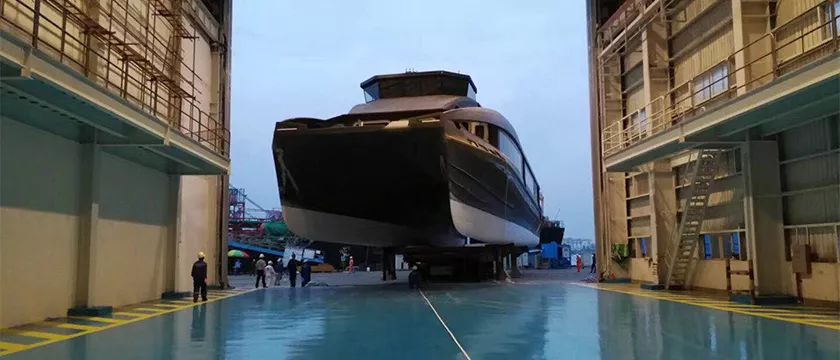
For ship manufacturing, this carbon fiber coil tube is utilized in hull structures, masts, and sail frames. Its lightweight property reduces the ship’s overall displacement, allowing for faster sailing speeds and lower fuel consumption. Additionally, carbon fiber’s inherent corrosion resistance eliminates the need for frequent anti-rust maintenance, reducing long-term operational costs for shipowners.
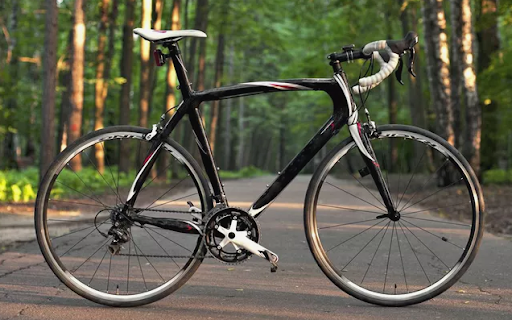
In the sporting equipment sector, the coil tube is transformed into bicycle frames, fishing rods, and ski poles. Its combination of light weight and high strength reduces fatigue for athletes during long-term use while enhancing equipment responsiveness. For example, a carbon fiber bicycle frame absorbs road vibrations better, while a carbon fiber fishing rod offers superior flexibility and sensitivity to detect bites.
Advantage
At QINI, we understand that industrial and commercial projects often require specifications beyond standard offerings. We provide a comprehensive one-stop tailored solution, covering everything from initial design consultation and prototyping to full-scale production. Whether your project demands specific dimensional tolerances for aerospace applications or specialized wall thicknesses for sports equipment, our engineering team collaborates closely with you to ensure the carbon fiber coil tubes precisely match your operational requirements, reducing integration risks and accelerating your project timeline.
Choosing QINI means partnering with a reliable supplier dedicated to your long-term success. Our commitment extends far beyond the delivery of goods. We offer extensive after-sales support, including professional technical consultation, installation guidance, and rapid troubleshooting. Our dedicated team of experts is readily available to assist with maintenance inquiries or performance optimization, ensuring your operations remain uninterrupted and your investment is fully protected throughout the product lifecycle.
To maintain a competitive edge in the global market, QINI consistently invests in research and development. Our R&D initiatives focus on exploring advanced carbon fiber composite materials and refining rolling techniques. By continuously optimizing layering schemes and material formulations, we strive to enhance overall product reliability while effectively controlling production costs. This dedication to innovation allows us to provide clients with highly competitive solutions that adapt to evolving industry demands.
Reliability is the cornerstone of our manufacturing philosophy. QINI implements a rigorous, end-to-end quality management system that governs every stage of production. From meticulous incoming inspections of raw materials to precise mandrel calibration, continuous process monitoring, and final product evaluation, we maintain strict oversight. This systematic approach guarantees exceptional batch-to-batch consistency and dimensional stability, ensuring that every carbon fiber tube delivered meets the stringent standards expected by our industrial clients.


