
Views: 0 Author: Site Editor Publish Time: 2025-11-05 Origin: Site


The popularity of pickleball has surged in recent years, leading to a growing interest in the equipment used in the sport. Among the various types of paddles available, the Carbon Fiber Pickleball Paddle has gained significant attention. This article delves into the reasons behind the widespread appeal of carbon fiber paddles, examining their construction, performance, and the technological advancements that make them a preferred choice for many players.
Carbon fiber is a material known for its strength and lightweight properties, making it an ideal choice for sports equipment. The construction of a Carbon Fiber Pickleball Paddle typically involves layers of carbon fiber fabric that are bonded together with resin. This combination creates a paddle that is not only durable but also provides excellent performance characteristics.
The manufacturing process often includes techniques such as cold pressing and hot pressing. A Carbon Fiber Hot-Pressed Pickleball Paddle involves applying heat and pressure to cure the resin, resulting in a stiffer and more responsive paddle. In contrast, cold pressing, as seen in the 3K Twill Cold-pressed Pickleball Paddle, relies on pressure alone, which can produce a paddle with a different feel and performance characteristics.
Carbon fiber offers several advantages over other materials used in paddle construction, such as fiberglass. Its high strength-to-weight ratio means that paddles can be made lighter without sacrificing durability. This is crucial for players who require quick maneuverability and reduced fatigue during extended play. Additionally, carbon fiber paddles provide excellent vibration dampening, which enhances comfort and control.
The performance of a pickleball paddle is a critical factor for players at all levels. Carbon fiber paddles are renowned for their responsiveness and power. The stiffness of carbon fiber allows for greater energy transfer from the paddle to the ball, resulting in more powerful shots. This characteristic is particularly beneficial for players who rely on aggressive play styles.
Moreover, the textured surface of carbon fiber paddles can enhance spin, providing players with more control over their shots. This feature is especially advantageous in competitive play, where precision and spin can make a significant difference in the outcome of a match.
While both carbon fiber and fiberglass paddles are popular choices, they offer distinct performance characteristics. Fiberglass paddles, such as the Cold Pressure Glass Fiber Pickleball Paddle, tend to be more flexible, providing a softer feel and more control for finesse shots. However, they may lack the power and durability of carbon fiber paddles.
Ultimately, the choice between carbon fiber and fiberglass depends on a player's style and preferences. Players seeking power and speed may prefer carbon fiber, while those who prioritize control and touch might opt for fiberglass.
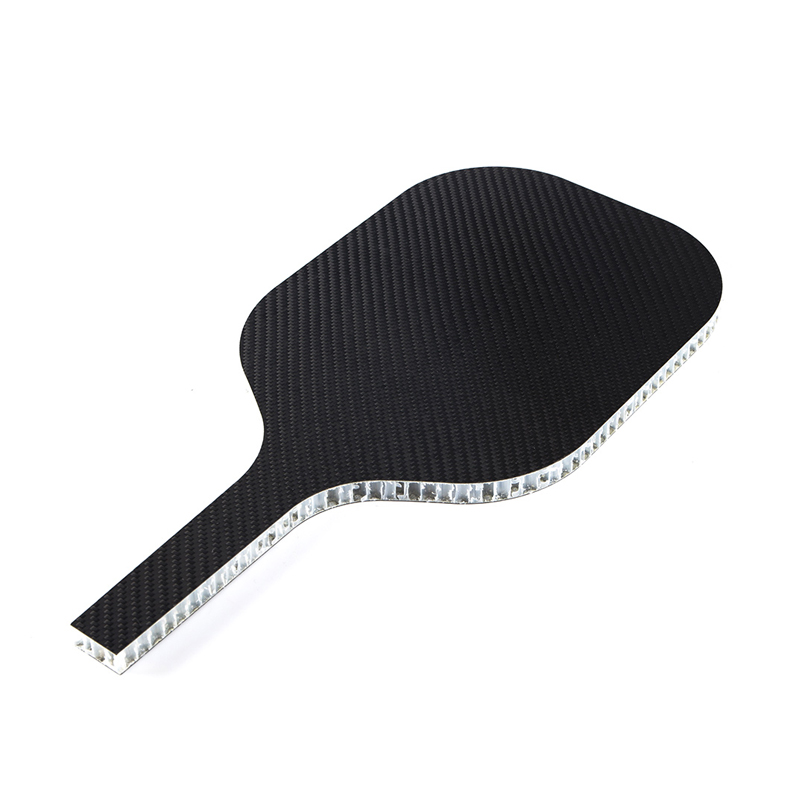
The evolution of carbon fiber technology has led to significant advancements in pickleball paddle design. Innovations such as 3K twill weaves and advanced resin systems have enhanced the performance and durability of carbon fiber paddles. These technologies allow manufacturers to fine-tune the stiffness, weight, and balance of paddles to meet the specific needs of players.
Additionally, the development of hybrid paddles, which combine carbon fiber with other materials, offers players a wider range of options. These paddles can provide a balance of power, control, and comfort, appealing to a broad spectrum of players.
Beyond performance, the design and aesthetics of carbon fiber paddles play a role in their popularity. The sleek, modern appearance of carbon fiber, often enhanced with eye-catching graphics and colors, appeals to players who value style as well as function. This visual appeal, combined with the high-performance characteristics of carbon fiber, makes these paddles a sought-after choice in the pickleball community.
In conclusion, the popularity of Carbon Fiber Pickleball Paddles can be attributed to their superior construction, performance, and technological advancements. These paddles offer a combination of power, control, and durability that appeals to players of all skill levels. As technology continues to evolve, we can expect further innovations in paddle design, enhancing the playing experience for pickleball enthusiasts worldwide.
1. What makes carbon fiber paddles more popular than other materials?
Carbon fiber paddles are favored for their strength, lightweight nature, and excellent performance characteristics, offering superior power and control compared to other materials.
2. How does the construction of a carbon fiber paddle affect its performance?
The construction, involving layers of carbon fiber bonded with resin, results in a durable paddle that provides excellent energy transfer and vibration dampening, enhancing performance.
3. What are the differences between hot-pressed and cold-pressed carbon fiber paddles?
Hot-pressed paddles are cured with heat and pressure, offering stiffness and responsiveness, while cold-pressed paddles rely on pressure alone, resulting in a different feel.
4. Why might a player choose a fiberglass paddle over a carbon fiber one?
Players seeking more control and a softer feel may prefer fiberglass paddles, which offer flexibility and finesse, though they may lack the power of carbon fiber paddles.
5. How have technological advancements impacted carbon fiber paddle design?
Advancements like 3K twill weaves and hybrid designs have improved the performance, durability, and customization options of carbon fiber paddles.
6. What role do aesthetics play in the popularity of carbon fiber paddles?
The sleek design and modern aesthetics of carbon fiber paddles, often enhanced with vibrant graphics, appeal to players who value both style and function.
7. Can hybrid paddles offer a balance of power and control?
Yes, hybrid paddles that combine carbon fiber with other materials provide a versatile option, balancing power, control, and comfort for a wide range of players.


