Product Description
>> Aramid Fiber and carbon fiber fabirc, purchasing aramid fiber and carbon fiber with high performance by twisting after the whole process of weaving and weaving. Regard 0° as the main direction to process to a kind of biaxial fabric. According to different requirements,it can be woven into a low density of good permeability of light and light fabric, can also be woven into high density and high strength of the fabric.
Code | Density (g/m²) | Fiber Density | Thickness (mm) | Width (mm) | |
Warp | Weft | ||||
CAP165 | 165 | T300 | 1000D | 0.26 | 50-1500 |
CAP185R | 185 | 3K+1500D | 3K+1500D | 0.28 | 50-1500 |
CAP200-A | 200 | T300-3000D | 1000D | 0.28 | 50-1500 |
CAP200-B | 200 | 3K+1500D | 3K+1500D | 0.35 | 50-1500 |
CAT190O | 185 | 3K+1500D | 3K+1500D | 0.28 | 50-1500 |
CAT190B | 185 | 3K+1500D | 3K+1500D | 0.28 | 50-1500 |
CAT200 | 200 | 3K+1500D | 3K+1500D | 0.28 | 50-1500 |
Crafted by QINI, a leading brand in high-performance textiles, the Carbon Fiber & Kevlar Fiber Hybrid Fabric (CAP240-1000) merges premium carbon fiber with orange Kevlar fiber to create a versatile, high-performance material. This fabric is engineered as a biaxial structure, with 0° as the main direction, ensuring optimal strength alignment for load-bearing applications. Unlike single-material fabrics, it balances the rigidity of carbon fiber with the toughness of Kevlar, making it adaptable to diverse needs: it can be woven into low-density, highly permeable variants for lightweight projects or high-density, heavy-duty options for demanding structural tasks. With a standard weight of 240g/m² and width of 1000mm (roll length 100m/roll), it suits both small-scale prototypes and large-volume industrial production, covering sectors from aerospace to sports equipment.
Technical Sheet
Code | Weave Type | Density of Warp & Weft | Density g/m2 | Thickness mm | Width MM | |
Warp | Weft | |||||
CAP240 | Plain | 3K+1500D | 3K+1500D | 240 | 0.28 | 1000 |
| >> Suitable production process | >> Characteristics |
| Prepreg process, Vacuum Infusion Process, hand Lay-up, molding process, Holding pressure tank process | With high strength, high modulus, high temperature resistance, wear resistance, corrosion resistance, fatigue resistance, electrical conductivity, electric heating and infrared radiation and other excellent properties. |
The hybrid fabric integrates seamlessly with multiple manufacturing workflows, ensuring flexibility for different project requirements:
Prepreg Process: Ideal for creating high-precision components (e.g., aircraft parts) by pre-impregnating fibers with resin, guaranteeing consistent material quality.
Vacuum Infusion Process: Reduces voids in composite structures (such as wind turbine blades) by using vacuum pressure to distribute resin evenly across the fabric.
Hand Lay-up: A cost-effective option for custom projects (like bicycle frames or violin cases), allowing manual placement of fabric layers to fit complex shapes.
Molding Process: Suitable for mass-produced items (e.g., automotive interior trim) by shaping the fabric-resin composite in pre-designed molds.
Holding Pressure Tank Process: Enhances bond strength for critical components (e.g., medical equipment) by curing the fabric under controlled temperature and pressure.
This hybrid fabric stands out for its balanced, industry-leading properties:
Exceptional Strength: Boasts high tensile strength and modulus, outperforming traditional materials like steel in weight-to-strength ratio—critical for reducing component weight without sacrificing durability.
Lightweight & Flexible: Low density (far lighter than aluminum) and soft permeability make it easy to handle, cut, and mold, even for intricate designs like curved automotive hoods.
Environmental Stability: Maintains stable performance under extreme conditions, including high temperatures and exposure to acids/alkalis, ensuring long service life in harsh environments (e.g., marine or industrial settings).
Versatile Density Options: Can be tailored to low-density (for breathability in sports gear) or high-density (for structural rigidity in aerospace parts), meeting varied application needs.
Main Application Area
Aerospace & Aviation, Military industry and wind power industry,
Transportation, Construction Industry, Medical equipment, Sports products
Car modification and bicycle field, car interior and exterior trim, hood, roof, bicycle frame, faucet, helmet. | 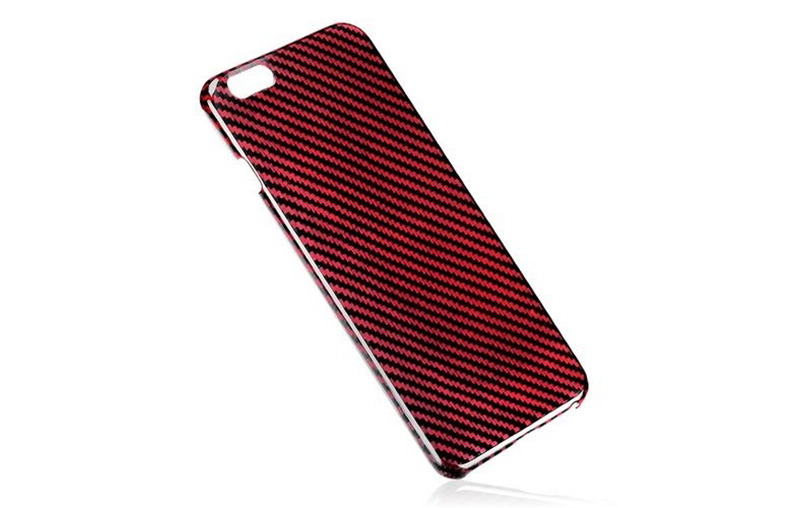 |
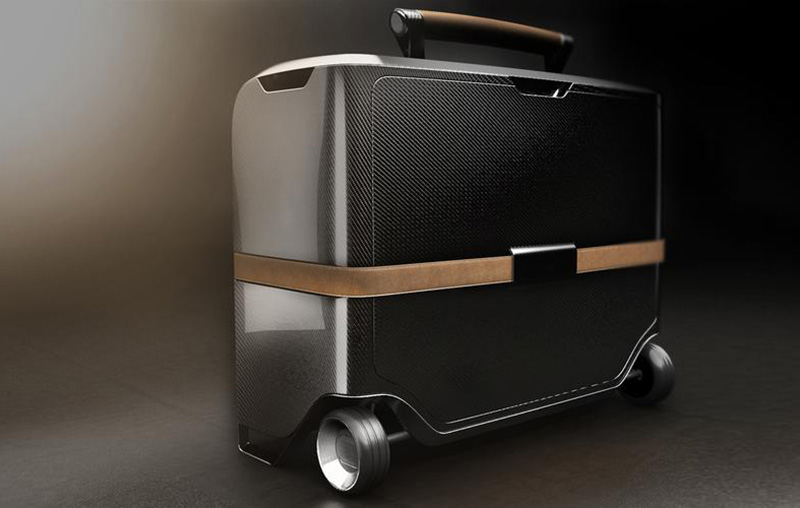 | Luggage field, luggage, violin cases, business bags, etc. |
Drones & sporting goods: rackets, paddles, rowing boats, fishing rods, skis, etc. | 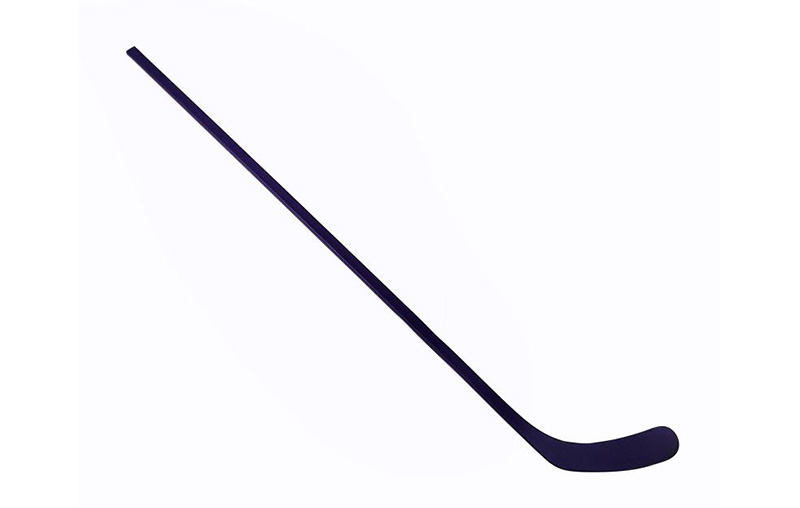 |
Maintenance
| Clean the surface of the carbon fiber FabricDuring use, dust and stains on the surface of carbon fiber Fabric should be cleaned in time, and special cleaners should be used to avoid acidic or alkaline cleaners. |
| Prevent carbon fiber FabricFrom being exposed to sunlight for a long time. Long exposure to sunlight will make the surface of carbon fiber Fabric crack and fade, affecting the beauty and service life. |
 | When storing carbon fiber FabricAttention should be paid to avoid humidity, high temperature and other environments. When storing carbon fiber Fabric, avoid humidity, high temperature and other environments, and keep dry and ventilated. |
In summary, carbon fiber Fabric has a long service life, but long-term use also needs to pay attention to some matters. During use, attention should be paid to prevent damage to the surface of the carbon fiber Fabric, to avoid environmental effects such as high temperature and high humidity, and to check the use regularly.
In terms of maintenance,attention should be paid to cleaning the surface of the carbon fiber Fabric, avoiding long-term exposure to the sun, and properly storing the carbon fiber Fabric.