Product Description
>> Carbon Fiber UD fabrics are usually obtained by carbonizing and graphitizing organic fibers6. During the manufacturing process, carbon fibers are woven or laid up in different ways to form fabrics with various structures and properties.
- | 0° | 90° |
(g/m²) | ||
Fiber | Density (g/m²) | Fiber | Density (g/m²) | ||
CUD200-12k | 12K | 200 | Other | -- | 200 |
CUD300-12k | 12K | 300 | Other | -- | 300 |
CUD320-6k | 6K | 320 | Other | -- | 320 |
CUD320-12k | 12K | 320 | Other | -- | 320 |
CUD500-6k | 6K | 500 | Other | -- | 500 |
Q: Why is this fabric called “unidirectional (UD)”? What are the benefits of this structure?
A: “Unidirectional” means fibers are aligned in a single direction (0°), focusing strength on the main stress axis. This structure avoids strength waste from cross-fiber directions, making it more efficient for applications where force acts primarily in one direction (e.g., automotive body panel reinforcement).
Q: Can it be used to reinforce circular or arc-shaped building components?
A: Yes. Its high flexibility allows it to be easily wound around circular members (e.g., columns, chimneys) or attached to arc-shaped surfaces, providing uniform reinforcement without gaps—unlike rigid materials that may crack or peel.
Q: What is the curing time for products made with this fabric?
A: Curing time depends on the process and thickness: for hand lay-up with standard epoxy resin, it typically cures in 24–48 hours at room temperature; for autoclave curing, it takes a few hours (3–6 hours) at 120–180°C.
Q: Is this fabric resistant to high humidity? How should it be stored?
A: It is sensitive to high humidity—moisture can affect resin adhesion and fiber performance. When storing, keep it in a dry, ventilated environment away from high temperatures; avoid direct contact with water, and seal the roll tightly if not fully used.
Technical Sheet
Code | Warp | Weft | Density g/m2 | Thickness mm | ||
Fiber | Weight g/m2 | Fiber | Weight g/m2 | |||
CUD176 | 12K | 176 | Hot Melt | 8 | 176 | 0.17 |
| >> Suitable production process | >> Characteristics |
| Prepreg process, Vacuum Infusion Process, hand Lay-up, molding process, Holding pressure tank process | With high strength, high modulus, high temperature resistance, wear resistance, corrosion resistance, fatigue resistance, electrical conductivity, electric heating and infrared radiation and other excellent properties. |
The production process of this UD fabric is optimized for precision and performance, following strict steps:
Raw Material Selection: High-quality polyacrylonitrile (PAN)-based carbon fiber filaments (12K) are chosen for their consistent tensile strength and chemical stability.
Unidirectional Alignment: Filaments are precisely arranged in a single direction on a specialized carrier to avoid deviations or entanglements—this ensures uniform strength distribution in the main stress direction.
Resin Impregnation: Epoxy resin (with excellent adhesion and mechanical properties) is evenly applied via controlled dip-coating or injection, guaranteeing full fiber impregnation without resin clumps.
Autoclave Curing: The resin-impregnated fabric is cured in an autoclave at 120–180°C under several atmospheres of pressure for a few hours (depending on thickness and resin type), forming a cohesive composite structure.
Quality Control & Trimming: After curing, the fabric is trimmed to required dimensions and tested for fiber alignment, resin distribution, and mechanical properties to meet industry standards.
This high-flexibility carbon fiber fabric offers unique advantages for diverse industries:
Simple Construction: No large equipment or complex processes are needed for application. When used for building reinforcement, it only requires pasting on concrete surfaces with supporting adhesive; after curing, it exerts reinforcement effects with minimal disturbance to the original structure.
Lightweight & High Strength: Despite its low weight (starting from 76g/m²), it delivers high stiffness along the fiber direction, reducing component weight while improving load-bearing capacity—critical for automotive and aerospace applications aiming to enhance fuel efficiency or flight performance.
Time & Cost Efficiency: Its easy-to-use nature shortens construction periods (e.g., commercial building reinforcement can be done without disrupting business operations) and lowers labor costs compared to traditional reinforcement materials.
Main Application Area
Aerospace & Aviation, Military industry and wind power industry,
Transportation, Construction Industry, Medical equipment, Sports products
Car modification and bicycle field, car interior and exterior trim, hood, roof, bicycle frame, faucet, helmet. | 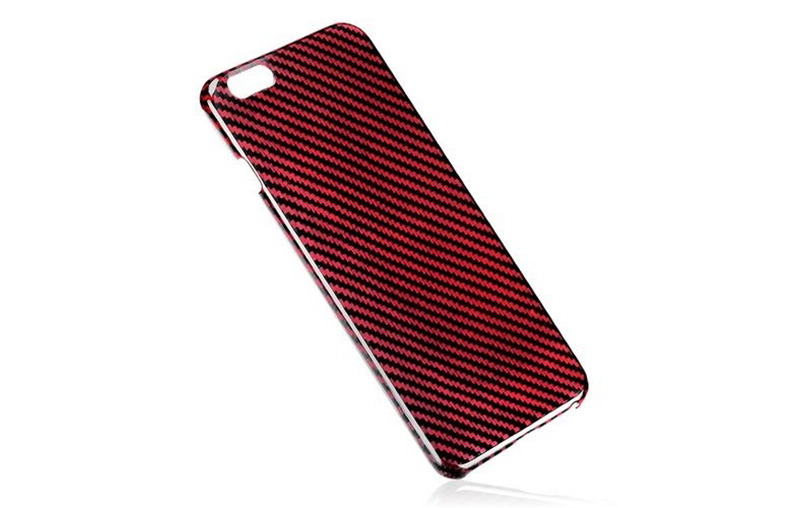 |
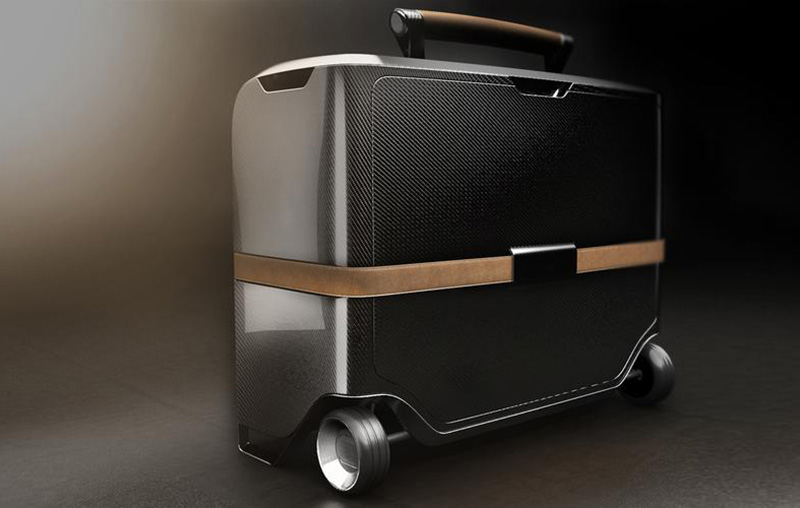 | Luggage field, luggage, violin cases, business bags, etc. |
Drones & sporting goods: rackets, paddles, rowing boats, fishing rods, skis, etc. | 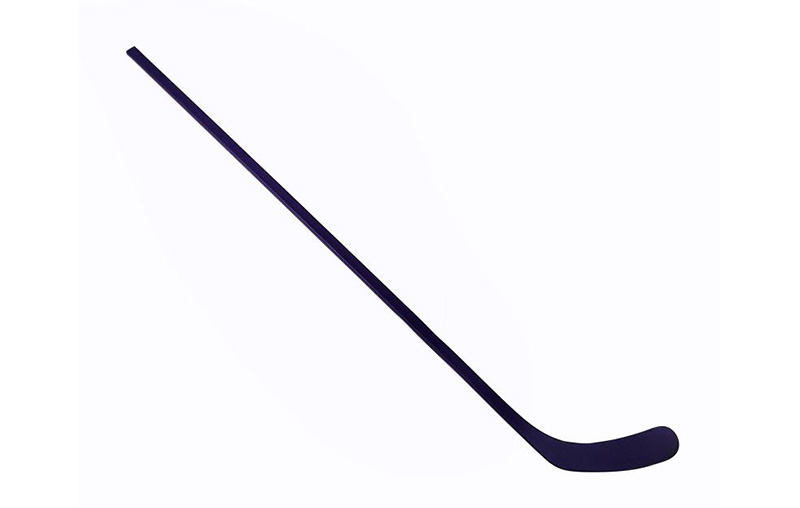 |
Maintenance
| Clean the surface of the carbon fiber FabricDuring use, dust and stains on the surface of carbon fiber Fabric should be cleaned in time, and special cleaners should be used to avoid acidic or alkaline cleaners. |
| Prevent carbon fiber FabricFrom being exposed to sunlight for a long time. Long exposure to sunlight will make the surface of carbon fiber Fabric crack and fade, affecting the beauty and service life. |
 | When storing carbon fiber FabricAttention should be paid to avoid humidity, high temperature and other environments. When storing carbon fiber Fabric, avoid humidity, high temperature and other environments, and keep dry and ventilated. |