



Product Description
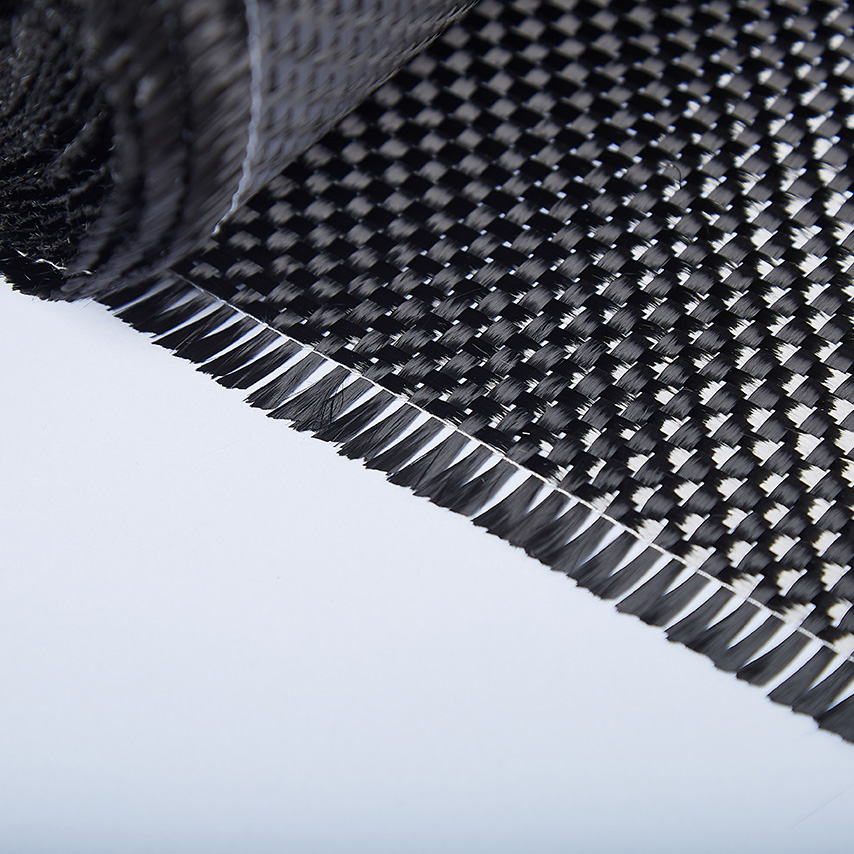
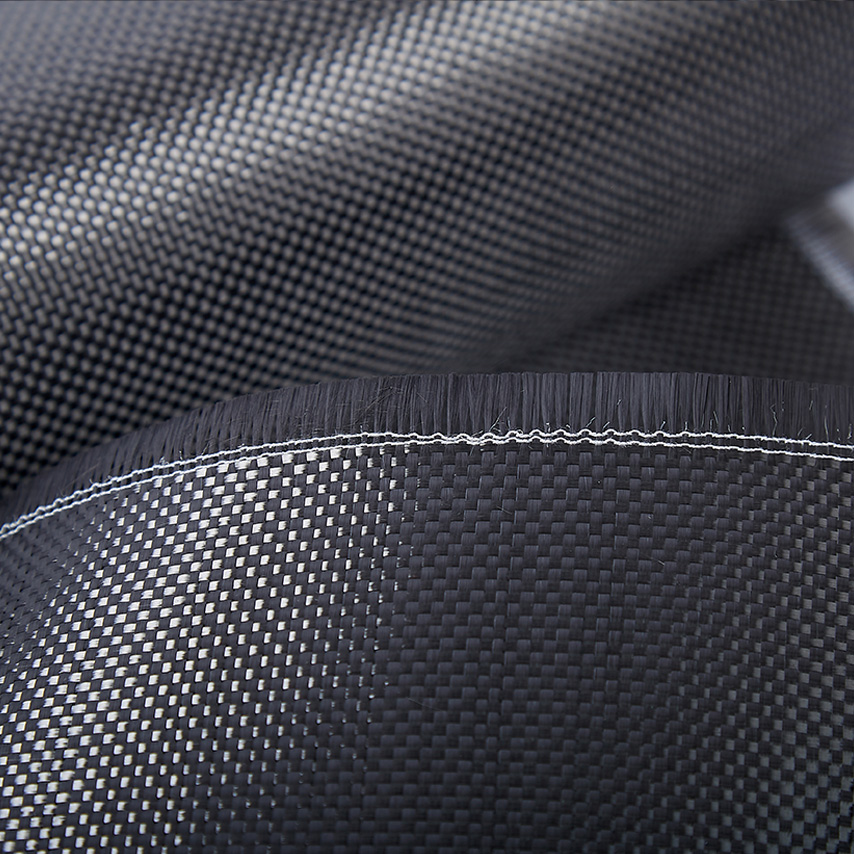
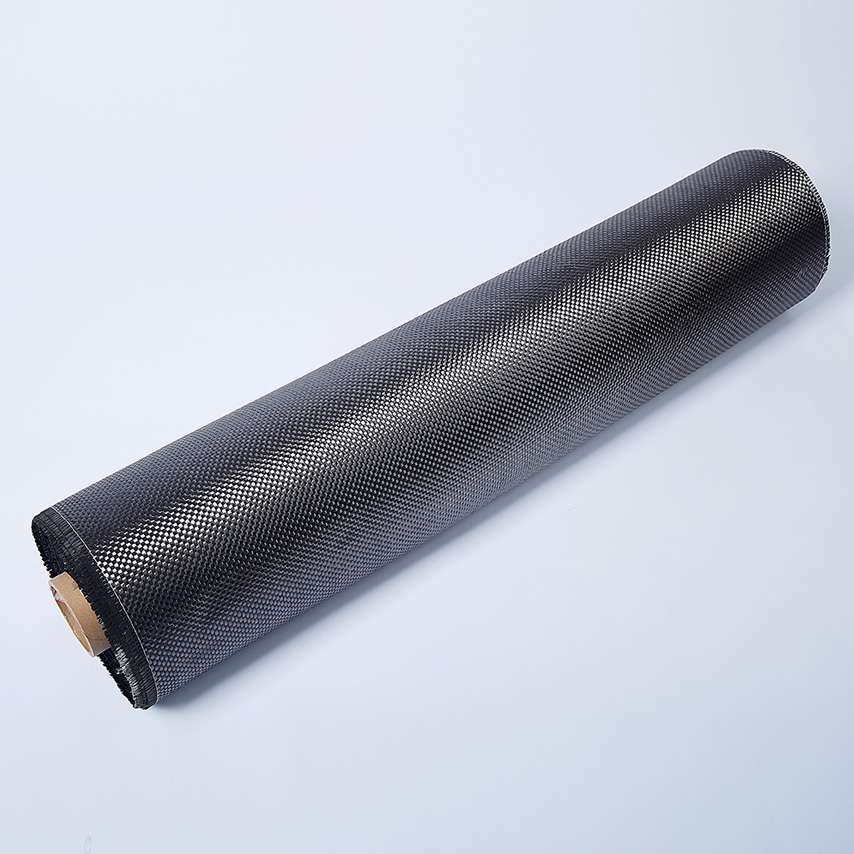
>> Carbon Fiber Plain Fabric is a type of woven material made from carbon fibers. In this fabric, the carbon fiber tows are woven in an over-under pattern, creating a symmetrical, small-checkerboard-like appearance.
Code | 0° | 90° | Density (g/m²) | ||
Fiber | Density (g/m²) | Fiber | Density (g/m²) | ||
CWP100-1k | 1K | 50 | 1K | 50 | 100 |
CWP200-3k | 3K | 100 | 3K | 100 | 200 |
CWP240-3k | 3K | 120 | 3K | 120 | 240 |
CWP280-6k | 6K | 140 | 6K | 140 | 280 |
CWP360-6k | 6K | 180 | 6K | 180 | 360 |
CWP400-12k | 12K | 200 | 12K | 200 | 400 |
CWP480-12k | 12K | 240 | 12K | 240 | 480 |
What makes this fabric “corrosion-resistant”?
The 3K carbon fiber’s inherent chemical stability, combined with optional surface treatments, prevents oxidation or degradation when exposed to salts (e.g., seawater), acids, or industrial chemicals—extending service life in harsh environments.
How does plain weave differ from other weaves (e.g., twill) for sports equipment?
Plain weave offers more uniform strength in two directions, making it ideal for tennis rackets or golf clubs that need consistent performance across all angles. It also has a smoother surface, reducing friction with resin during manufacturing.
Can CWP200-3k be used for aircraft components?
Yes. Its high modulus, lightweight, and corrosion resistance make it suitable for aircraft fuselages, wing skins, and interior structural parts—helping reduce aircraft weight and improve fuel efficiency.
What is the recommended cleaner for this fabric?
Use QINI-approved special cleaners to remove dust or stains. Avoid acidic/alkaline cleaners, as they can damage the fiber surface and reduce corrosion resistance over time.
Technical Sheet
Code | Warp | Weft | Density g/m2 | Thickness (mm) | ||
Fiber | Weight g/m2 | Fiber | Weight g/m2 | |||
CWP200 | 3K | 100 | 3K | 100 | 200 | 0.2 |
| >> Suitable Production Process | >> Characteristics |
Carbon Fiber Preparation: High-quality carbon fibers are selected as raw materials, which are usually PAN-based, pitch-based, or viscose-based, with PAN-based being the most common2. The fibers are processed to ensure they have the appropriate length, diameter, and quality for weaving. Weaving: The carbon fibers are woven into a plain weave pattern using specialized looms6. The warp and weft fibers are interlaced in an over-under manner to form the characteristic plain weave structure. The tension and speed during weaving are strictly controlled to ensure the uniformity and quality of the fabric. Surface Treatment: After weaving, the fabric may undergo surface treatment to improve the adhesion between the carbon fibers and the matrix material (usually resin) in composite applications. This can enhance the overall performance of the composite material. | High Strength: Carbon fibers themselves have extremely high tensile strength. In plain fabric form, this strength is evenly distributed in two directions, offering good resistance to stretching and tearing forces. It can withstand significant loads, making it suitable for applications requiring high structural strength. Lightweight: With a relatively low density, usually around 1.7 - 1.9 g/cm³, it is much lighter than traditional materials like steel and aluminum. This property makes it ideal for applications where weight reduction is crucial, helping to improve energy efficiency and performance. |
Main Application Area
Aerospace & Aviation, Military industry and wind power industry,
Transportation, Construction Industry, Medical equipment, Sports products.
>> Aviation Field It is used in the manufacturing of aircraft fuselages, wing skins, and interior structural components. Its high strength and low weight help reduce aircraft weight, improve fuel efficiency, and enhance overall performance. |  |
 | >> Automotive Field In car manufacturing, it is used for body panels, spoilers, and interior trim. It not only reduces vehicle weight for better acceleration, handling, and fuel economy but also gives the car a high-end appearance. |
| >> Sports Equipment Commonly used in the production of tennis rackets, golf clubs, bicycles, and fishing rods. Its high strength and lightweight characteristics can improve the performance and user experience of sports equipment. |  |
 | >> Other Applications Other applications include shipbuilding, building materials, electronic products, etc. In these areas, plain carbon fiber cloth can play a role in strengthening, weight reduction, heat insulation and so on. |
Maintenance
| Clean the surface of the carbon fiber Fabric. During use, dust and stains on the surface of carbon fiber Fabric should be cleaned in time, and special cleaners should be used to avoid acidic or alkaline cleaners. |
| Prevent carbon fiber Fabric From being exposed to sunlight for a long time. Long exposure to sunlight will make the surface of carbon fiber Fabric crack and fade, affecting the beauty and service life. |
 | When storing carbon fiber Fabric Attention should be paid to avoid humidity, high temperature and other environments. When storing carbon fiber Fabric, avoid humidity, high temperature and other environments, and keep dry and ventilated. |
In summary, carbon fiber Fabric has a long service life, but long-term use also needs to pay attention to some matters. During use, attention should be paid to prevent damage to the surface of the carbon fiber Fabric, to avoid environmental effects such as high temperature and high humidity, and to check the use regularly.
In terms of maintenance,attention should be paid to cleaning the surface of the carbon fiber Fabric, avoiding long-term exposure to the sun, and properly storing the carbon fiber Fabric.