
Views: 0 Author: Site Editor Publish Time: 2026-03-11 Origin: Site


Carbon fiber fabric fabrication represents a sophisticated manufacturing process that combines advanced materials science with precision engineering. As demand for lightweight, high-strength composite materials continues to grow across aerospace, automotive, and sporting goods industries, understanding proper fabrication techniques becomes essential for manufacturers and engineers alike.This comprehensive guide explores the complete fabrication process for various types of carbon fiber fabric, including Carbon Fiber UD Fabric, Carbon Fiber Plain fabric, Carbon Fiber Twill fabric, and specialized variants. Whether you're a carbon fiber fabric manufacturer or an engineer seeking to optimize your composite manufacturing processes, this article provides actionable insights based on industry best practices and current manufacturing standards.
Before diving into fabrication processes, it's crucial to understand the different types of carbon fiber fabrics available and their specific applications.
Carbon fiber fabric comes in several distinct weave patterns and constructions, each offering unique mechanical properties and aesthetic characteristics:
Carbon Fiber UD Fabric (Unidirectional Fabric) features all fibers aligned in a single direction, providing maximum strength along that axis. This configuration is ideal for applications requiring directional load-bearing capacity, such as structural reinforcements in aerospace components.
Carbon Fiber Plain fabric utilizes a simple over-under weave pattern, offering balanced strength in both warp and weft directions. This versatile fabric type is widely used in general composite applications where multidirectional strength is required.
Carbon Fiber Twill fabric employs a diagonal weave pattern that creates the distinctive "herringbone" appearance. This weave pattern offers excellent drapability and is particularly popular in visible applications where aesthetics matter, such as automotive interior panels and sporting goods.
Carbon Fiber Multiaxial fabric combines multiple layers of unidirectional fibers oriented at different angles (typically 0°, 45°, 90°, and -45°), stitched together to create a single fabric. This construction maximizes strength in multiple directions simultaneously.
Beyond traditional weaves, advanced manufacturing techniques have produced specialized variants:
Carbon Fiber Jacquard Fabric incorporates complex woven patterns that can create decorative designs while maintaining structural integrity. These fabrics are particularly valued in high-end consumer products where visual appeal is paramount.
Carbon Fiber Hybrid Fabric blends carbon fibers with other materials like fiberglass, aramid, or natural fibers to achieve specific performance characteristics or cost optimization.
Carbon Fiber Spread Fabric uses spread tow technology to create thinner, wider fiber bundles, resulting in fabrics with improved surface finish and resin impregnation characteristics.
For detailed specifications on these fabric types, visit our carbon fiber fabric product range.
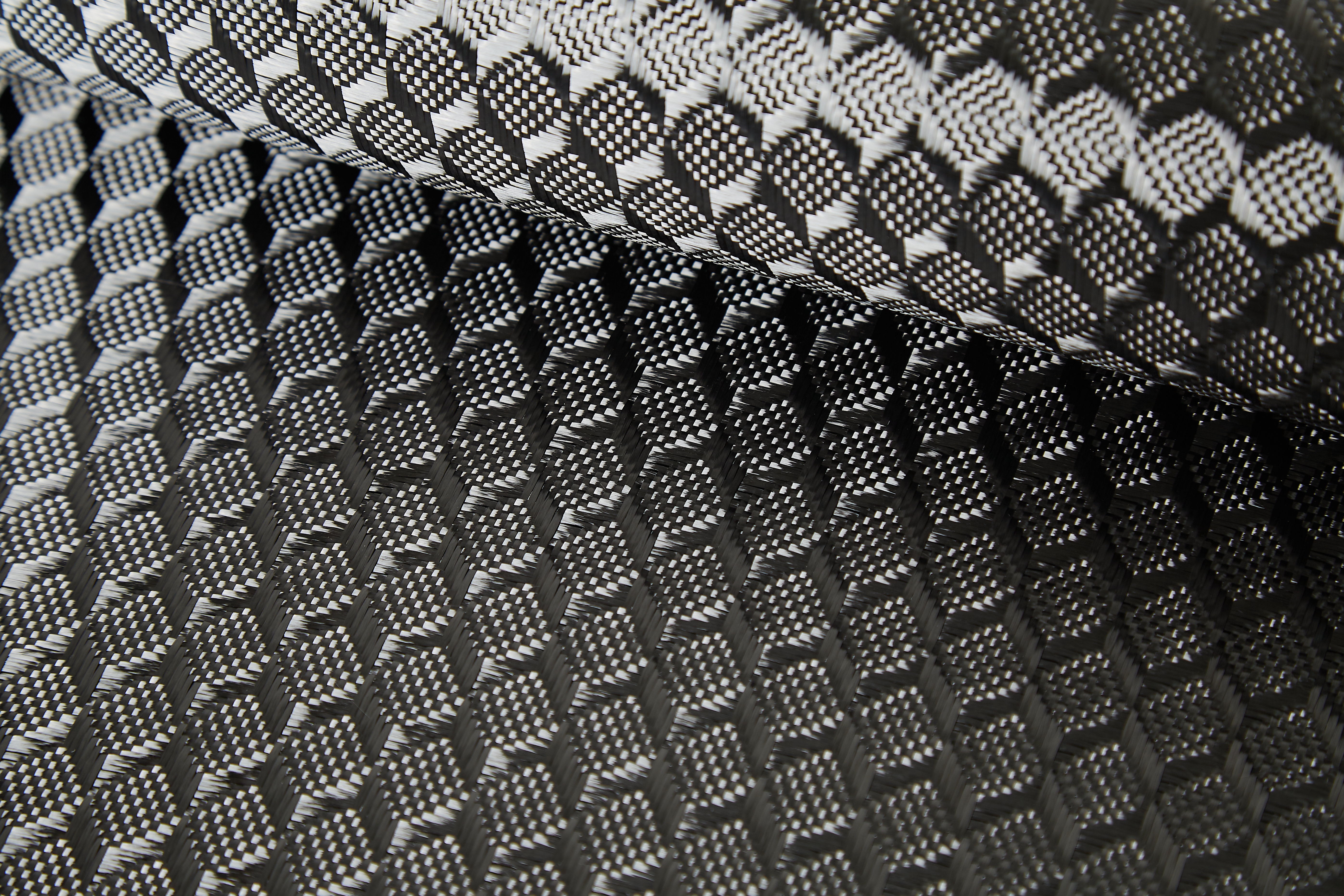
Successful fabrication requires proper materials, tools, and equipment. The following table outlines essential components:
| Category | Items | Purpose | Quality Considerations |
|---|---|---|---|
| Base Materials | Carbon fiber fabric, Epoxy resin system, Hardener | Primary structural components | Use aerospace-grade materials for critical applications |
| Surface Preparation | Mold release agent, Cleaning solvents, Surface sealers | Ensures clean part release and surface quality | Select release agents compatible with resin system |
| Application Tools | Resin brushes, Squeegees, Roller tools, Mixing containers | Even resin distribution and air removal | Use disposable items to prevent cross-contamination |
| Processing Equipment | Vacuum pump, Vacuum bagging materials, Heat lamps or oven | Creates proper consolidation and curing environment | Maintain consistent vacuum pressure (20-25 inHg) |
| Safety Equipment | Respirators, Gloves, Eye protection, Protective clothing | Worker safety during fabrication | Follow OSHA guidelines for composite manufacturing |
| Finishing Tools | Diamond cutting wheels, Wet sanders, Polishing compounds | Post-cure machining and finishing | Use carbide or diamond tools for carbon fiber |
Proper mold preparation is foundational to successful fabrication. Begin by thoroughly cleaning the mold surface to remove any contaminants, dust, or residue from previous fabrications. Apply a high-quality mold release agent in thin, even coats, allowing each coat to dry completely before applying the next (typically 3-5 coats for new molds).
For projects requiring precise surface finish, consider using mold sealers that fill microscopic imperfections in the mold surface. Temperature control is critical—ensure the mold is at room temperature (20-25°C) before beginning layup to prevent thermal-induced defects.
Accurate cutting and strategic layup planning significantly impact final part quality. When working with Carbon Fiber Plain fabric or Carbon Fiber Twill fabric, consider the fiber orientation required for optimal strength. Create cutting templates that account for:
Fiber direction relative to load paths
Seam locations and overlap requirements
Drape characteristics over complex geometries
Material waste minimization
For Carbon Fiber UD Fabric, plan multiple plies oriented at different angles (commonly 0°/90° or 0°/±45°/90° configurations) to achieve quasi-isotropic properties. Use sharp scissors or rotary cutters to prevent fiber fraying, cutting slightly oversized pieces that can be trimmed after layup.
The resin system forms the matrix that binds carbon fibers together and transfers loads between fibers. Epoxy resins are most common for carbon fiber fabric manufacturer applications due to their excellent mechanical properties and versatility.
Mix resin and hardener according to manufacturer specifications, typically using precision scales rather than volume measurements for accuracy. Consider the following factors when selecting and preparing resin:
Pot life: Working time available before resin begins to gel (typically 20-90 minutes) Viscosity: Lower viscosity resins penetrate fabric more easily but may drain on vertical surfaces Cure temperature: Room temperature, elevated temperature, or post-cure requirements Service temperature: Maximum operating temperature for the finished part
Mix thoroughly but avoid introducing excessive air bubbles. Some fabricators use vacuum degassing for critical applications.
The layup process requires patience and attention to detail. Begin by placing the first ply of carbon fiber fabric onto the prepared mold surface. Apply resin using one of these methods:
Wet Layup Method: Apply resin directly to the mold surface, place dry fabric, then apply additional resin on top. Use squeegees and rollers to work resin through the fabric and remove air bubbles. This method works well for Carbon Fiber Twill fabric and Carbon Fiber Plain fabric applications.
Pre-preg Method: Use factory-impregnated fabrics that contain precise resin content. These require refrigerated storage and typically need elevated temperature curing but offer superior consistency and reduced labor.
Vacuum Infusion: Place dry fabric layers on the mold, cover with vacuum bagging materials, and draw liquid resin through the fabric under vacuum pressure. This method produces excellent fiber-to-resin ratios and is commonly used with Carbon Fiber Multiaxial fabric.
Work systematically from the center outward, removing air bubbles and achieving uniform resin saturation. Typical fiber-to-resin ratios range from 50-70% fiber by volume, depending on application requirements.
Vacuum bagging removes trapped air, compacts the laminate, and applies uniform pressure during cure. The typical vacuum bag stackup includes:
Release film (peel ply) directly on the laminate
Perforated release film for air pathway
Breather fabric to distribute vacuum evenly
Vacuum bag sealed with tacky tape
Vacuum port connection
Apply vacuum gradually to prevent fabric distortion, aiming for 20-25 inHg (approximately 0.85 bar absolute pressure). Monitor vacuum integrity throughout the cure cycle, as even small leaks can compromise part quality.
Curing transforms liquid resin into a solid polymer network. Follow these guidelines for optimal results:
Room Temperature Cure: Many epoxy systems cure adequately at 20-25°C over 24-48 hours. This method is suitable for non-critical applications but may not achieve maximum mechanical properties.
Elevated Temperature Cure: Applying controlled heat (typically 60-120°C) accelerates cure and improves final properties. Use programmable ovens or heated molds for consistent results.
Post-Cure: Additional heat treatment after initial cure can increase glass transition temperature (Tg) and improve mechanical properties. This is essential for parts exposed to elevated service temperatures.
Monitor cure progress using recommended methods:
Shore hardness testing
Differential Scanning Calorimetry (DSC) for degree of cure
Visual inspection for surface defects
After complete cure, carefully remove the part from the mold. Remove peel ply, vacuum bagging materials, and any excess resin flash. Post-processing typically includes:
Trimming: Use diamond-coated cutting tools or water-cooled saws to trim parts to final dimensions. Carbon fiber is highly abrasive and will quickly dull conventional cutting tools.
Drilling: Use brad-point or specialty composite drill bits at high speeds (3000-6000 RPM) with backing support to prevent delamination and fiber pullout.
Sanding and Finishing: Wet-sand using progressively finer grits (starting at 220, finishing at 800-2000 grit). Always use wet sanding to control dangerous carbon fiber dust.
Coating: Apply UV-protective clear coats to prevent degradation from sunlight exposure, particularly important for visible applications using Carbon Fiber Jacquard Fabric or Carbon Fiber Twill fabric.
Strategic fiber placement significantly impacts structural performance. For components with complex loading conditions, consider using Carbon Fiber Hybrid Fabric to combine the high stiffness of carbon with the toughness of other fibers.
Advanced manufacturers employ software-based composite design tools that predict failure modes and optimize ply orientations. When fabricating with Carbon Fiber Spread Fabric, take advantage of its superior surface smoothness for parts requiring minimal finishing.
Reputable carbon fiber fabric manufacturer operations implement rigorous quality control:
Visual Inspection: Check for dry spots, air voids, resin-rich areas, and fiber misalignment Ultrasonic Testing: Non-destructive evaluation to detect internal delaminations Thickness Measurement: Verify proper fiber volume fraction Mechanical Testing: Destructive testing of sample parts to validate strength properties
Carbon fiber fabric fabrication serves diverse sectors:
Aerospace: Structural components, fairings, and interior panels benefit from weight reduction and high strength-to-weight ratios. Learn more about aerospace applications.
Automotive: Performance vehicle components, from body panels to chassis reinforcements, increasingly utilize carbon composites for weight savings and performance enhancement.
Sporting Goods: Tennis rackets, bicycles, fishing rods, and protective equipment leverage carbon fiber's excellent vibration damping and strength properties.
Marine: Boat hulls, masts, and structural components benefit from corrosion resistance and favorable strength-to-weight characteristics.
For custom applications tailored to your specific needs, explore our custom fabrication services.
Carbon fiber fabrication involves several health and safety considerations:
Respiratory Protection: Carbon fiber dust and resin vapors require appropriate respirators with organic vapor cartridges
Skin Protection: Uncured resins can cause sensitization; always wear nitrile gloves
Eye Protection: Safety glasses or goggles prevent fiber particles from contacting eyes
Ventilation: Adequate air exchange removes volatile organic compounds (VOCs)
Modern carbon fiber fabric manufacturer operations increasingly focus on sustainability:
Implement closed-loop resin systems to minimize waste
Use bio-based epoxy resins where performance requirements allow
Develop recycling programs for carbon fiber scrap and end-of-life components
Optimize cutting patterns to reduce material waste
Consider recyclable or biodegradable core materials in sandwich structures
| Method | Advantages | Disadvantages | Best For |
|---|---|---|---|
| Hand Layup | Low equipment cost, flexible design, good for prototypes | Labor intensive, inconsistent quality, high skill requirement | Low-volume production, complex shapes, Carbon Fiber Twill fabric cosmetic parts |
| Vacuum Infusion | Excellent fiber-to-resin ratio, lower emissions, consistent quality | Requires vacuum equipment, longer setup time, resin waste | Carbon Fiber Multiaxial fabric structural parts, medium production |
| Pre-preg Autoclave | Highest quality, excellent consistency, void-free laminates | Very high equipment cost, limited part size, requires cold storage | Aerospace components, critical structural parts |
| Resin Transfer Molding (RTM) | Good surface finish both sides, medium to high production rates | High tooling cost, limited to moderate complexity | Automotive components, repeatable production parts |
| Filament Winding | Highly automated, excellent for cylindrical parts, efficient material use | Limited to rotation-symmetric shapes | Pressure vessels, tubes, Carbon Fiber UD Fabric components |
Dry Spots and Voids: Insufficient resin application or improper consolidation creates areas where fibers aren't fully wetted. Solution: Ensure adequate resin quantity and use proper debulking techniques between plies.
Fiber Wrinkling: Excessive draping over complex contours or inadequate tension causes fabric wrinkling. Solution: Use smaller fabric pieces, apply strategic darts or tucks, or consider using Carbon Fiber Spread Fabric for better drapability.
Delamination: Insufficient resin between plies or contamination prevents proper bonding. Solution: Maintain clean work environment, ensure thorough wet-out, and apply appropriate vacuum pressure.
Warping: Unbalanced ply stackup or uneven cure creates residual stresses that cause warping. Solution: Use symmetric ply schedules and control cure temperature uniformly.
Fiber Pullout: Poor edge quality during trimming damages fibers. Solution: Use sharp, appropriate cutting tools and support edges during machining operations.
For technical support and guidance, contact our expert team.
Mastering carbon fiber fabric fabrication requires understanding material properties, proper process control, and attention to detail throughout every step. Whether working with Carbon Fiber UD Fabric, Carbon Fiber Plain fabric, Carbon Fiber Twill fabric, Carbon Fiber Multiaxial fabric, or specialized variants like Carbon Fiber Jacquard Fabric, Carbon Fiber Hybrid Fabric, and Carbon Fiber Spread Fabric, success depends on selecting appropriate materials, following proven processes, and implementing rigorous quality control.
As a leading carbon fiber fabric manufacturer, Qinicf provides high-quality materials and technical expertise to support your fabrication projects. By applying the techniques outlined in this guide, you can achieve professional results that meet the demanding requirements of modern composite applications.
Q1: What is the difference between wet layup and vacuum infusion for carbon fiber fabric fabrication?
Wet layup involves manually applying resin to fabric layers, while vacuum infusion draws resin through dry fabric using vacuum pressure. Vacuum infusion produces higher fiber-to-resin ratios (55-65% vs 45-55%) and more consistent quality, but requires additional equipment and setup time.
Q2: How long does it take to cure carbon fiber fabric parts?
Cure time varies by resin system: room temperature epoxies typically require 24-48 hours for handling strength and 7 days for full cure, while elevated temperature systems can cure in 2-8 hours. Post-cure cycles may add several additional hours for maximum performance.
Q3: Can I mix different types of carbon fiber fabric in one laminate?
Yes, combining fabric types is common. For example, using Carbon Fiber UD Fabric for primary load paths with Carbon Fiber Twill fabric as cosmetic outer layers, or incorporating Carbon Fiber Hybrid Fabric for specific performance characteristics. Ensure compatible resin systems across all layers.
Q4: What safety equipment is essential for carbon fiber fabrication?
Minimum requirements include NIOSH-approved respirator with organic vapor cartridges, nitrile gloves, safety glasses, and protective clothing. For sanding or cutting operations, add dust collection systems and upgrade to P100 filter respirators to protect against carbon fiber particles.
Q5: How do I calculate the amount of carbon fiber fabric and resin needed for a project?
Calculate surface area of your part, multiply by number of plies, then add 10-15% for waste and overlaps. For resin, use manufacturer-recommended coverage rates (typically 300-500 g/m² per layer depending on fabric weight) plus 20% excess for mixing containers, brush retention, and pot life limitations.


