
Views: 0 Author: Site Editor Publish Time: 2026-04-18 Origin: Site


Modern engineering needs stronger, lighter materials. Carbon Fiber Multiaxial Fabric is becoming essential for advanced structures. Its design improves strength and stability. Carbon Fiber Multiaxial Fabric Applications now expand across aerospace and automotive fields. In this article, you will explore High Performance Carbon Fiber Fabric Engineering and real engineering uses. High-quality fabrics such as QingNiao carbon fiber fabric show how precision materials improve composite performance. Learn more about our products.
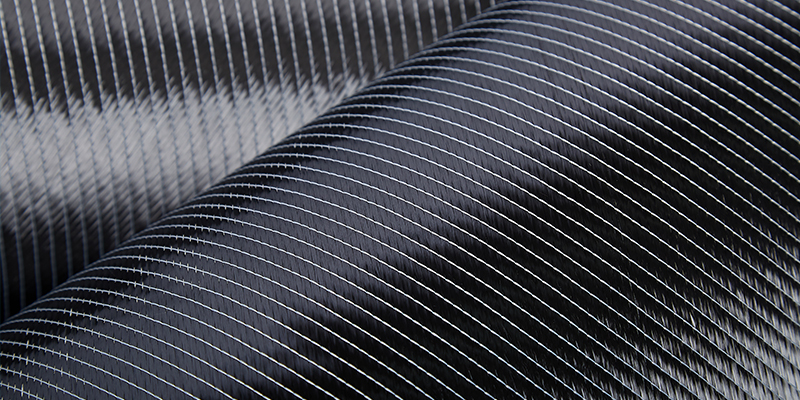
Carbon Fiber Multiaxial Fabric differs from traditional woven textiles because its fibers are arranged in multiple layers that are stitched together rather than interlaced. Each layer typically runs in a different direction such as 0°, 45°, 90°, or −45°. This orientation allows engineers to distribute structural loads across the composite structure more efficiently. The absence of fiber crimping means that each fiber strand remains straight, which helps preserve its full tensile strength during mechanical loading.
This structural design also improves production consistency during composite manufacturing. When resin flows through the fabric during processes such as resin infusion, the layers maintain their alignment and resist distortion. This stability reduces the risk of weak points forming within the composite material. Because of these advantages, engineers often select Multiaxial Carbon Fiber Fabric Structural Applications when building components that must withstand complex stress patterns.
Traditional woven carbon fiber fabrics create small bends in the fibers due to the weaving pattern. These bends, often called fiber crimp, slightly reduce the material’s ability to handle direct loads. Multiaxial fabrics avoid this issue because their fibers remain straight and aligned. This improvement leads to higher stiffness and improved load distribution across the entire composite structure.
Another advantage lies in design flexibility. Engineers can adjust fiber orientation depending on the direction of expected loads. This ability allows Carbon Fiber Multiaxial Fabric For Aerospace and automotive structures to be optimized for both strength and weight efficiency. High-quality carbon fiber textile products used in these applications typically feature precise fiber alignment and stable weaving quality, which ensures consistent structural reinforcement.
Multiaxial carbon fiber fabrics offer excellent tensile strength, fatigue resistance, and dimensional stability. Their layered structure helps the composite material resist deformation under repeated stress cycles. This feature becomes particularly important in engineering applications where structural components experience continuous vibration, pressure changes, or dynamic forces.
Because the fibers support loads in multiple directions, the final composite structure performs more reliably in environments where stress patterns change frequently. Many high-performance carbon fiber fabrics used in advanced composite manufacturing are designed to maintain high modulus strength while remaining lightweight, allowing engineers to achieve both durability and structural efficiency.
Performance Comparison of Carbon Fiber Fabric Types
Fabric Type | Fiber Orientation | Structural Efficiency | Typical Engineering Use |
Woven Carbon Fiber | Interlaced fibers | Moderate | General composite parts |
Unidirectional Fabric | Single fiber direction | Very high in one direction | Aerospace reinforcement |
Multiaxial Carbon Fiber Fabric | Multiple stitched orientations | High multidirectional strength | Advanced structural components |
Note: Performance values vary depending on fiber grade and resin system selection.
Aircraft design constantly seeks ways to reduce weight without sacrificing safety. Carbon Fiber Multiaxial Fabric Applications have become essential in aircraft fuselage structures, wing panels, and internal support frames. The material’s strength-to-weight ratio allows engineers to replace heavier metal components while maintaining structural integrity. As a result, aircraft become lighter and more fuel efficient.
Multiaxial reinforcement also helps distribute aerodynamic loads across large composite surfaces. Aircraft wings, for example, experience complex forces during flight including lift pressure, vibration, and structural bending. When carbon fiber fibers are oriented in several directions, the structure can resist these forces more effectively. This capability explains why High Performance Carbon Fiber Fabric Engineering solutions play such a central role in modern aerospace design.
Spacecraft components must survive extreme environmental conditions such as rapid temperature changes, radiation exposure, and launch vibration. Carbon Fiber Multiaxial Fabric provides the dimensional stability required for these demanding applications. Satellite frames, antenna supports, and structural panels often rely on composite materials reinforced with multiaxial carbon fiber layers.
Because spacecraft mass directly influences launch cost, engineers prioritize lightweight materials. Multiaxial carbon fiber composites reduce structural mass while maintaining stiffness. High-grade carbon fiber fabrics used in aerospace applications typically exhibit tensile strengths above 3500 MPa and excellent fatigue resistance, making them suitable for long-term structural reliability.
Unmanned aerial vehicles require lightweight structures that remain strong under dynamic flight conditions. Carbon Fiber Multiaxial Fabric reinforcement improves frame rigidity while minimizing structural mass. Drone arms, landing gear components, and central frames frequently use composite materials because they resist vibration and mechanical fatigue during repeated flight cycles.
Because drones maneuver rapidly and encounter multidirectional forces, the multi-layer fiber orientation ensures balanced load resistance. This design increases flight reliability and structural durability.
The automotive industry increasingly adopts composite materials to improve vehicle efficiency and reduce emissions. Carbon Fiber Multiaxial Fabric For Automotive Parts allows engineers to create lightweight body panels and structural components that maintain high strength. By replacing heavier metal structures, manufacturers can significantly reduce vehicle weight.
Reducing vehicle mass leads to improved acceleration, better fuel efficiency, and reduced energy consumption. In electric vehicles, lower structural weight directly increases driving range.
Battery protection structures require materials capable of absorbing impact while maintaining rigidity. Carbon fiber composite enclosures reinforced with multiaxial fabrics provide both strength and lightweight performance. Engineers can adjust fiber orientation to reinforce critical areas around the battery housing.
This approach improves safety during collisions while maintaining efficient vehicle design.
Motorsports rely heavily on carbon fiber composites to achieve competitive performance. Racing vehicles incorporate Carbon Fiber Multiaxial Fabric reinforcement in aerodynamic body panels, suspension structures, and chassis components. These materials provide exceptional stiffness while reducing overall vehicle mass.
Automotive Applications of Multiaxial Carbon Fiber Fabric
Automotive Component | Engineering Requirement | Composite Advantage |
Chassis reinforcement | High stiffness | Improved structural rigidity |
Battery housing | Impact resistance | Lightweight protection |
Aerodynamic panels | Reduced mass | Enhanced vehicle performance |
Note: Material selection often depends on vehicle category and safety requirements.
Marine environments place continuous stress on structural materials due to water pressure, wave impact, and long-term fatigue. Carbon Fiber Multiaxial Fabric provides excellent reinforcement for boat hull structures. Its multidirectional fiber layout distributes loads evenly, reducing the risk of cracking or deformation.
Lightweight composite hulls also improve vessel speed and fuel efficiency.
Offshore engineering structures must resist corrosion, mechanical fatigue, and environmental stress. Carbon Fiber Multiaxial Fabric composites offer superior resistance to saltwater environments compared with traditional metal materials. Engineers frequently apply these materials in offshore equipment housings, support frames, and marine energy systems.
Competitive sailing equipment requires extremely lightweight and stiff structures. Multiaxial carbon fiber composites enable engineers to design strong mast systems and high-performance hydrofoils.
These structures improve maneuverability and sailing speed.
Wind turbine blades experience constant stress from rotational forces and wind pressure. Carbon Fiber Multiaxial Fabric reinforcement allows engineers to produce longer blades without excessive weight. Longer blades capture more wind energy and improve turbine efficiency.
Because turbine blades operate continuously for decades, fatigue resistance becomes essential. Multiaxial carbon fiber reinforcement improves durability and reduces maintenance costs.
Renewable energy systems such as solar tracking structures require lightweight yet durable materials. Composite frames reinforced with carbon fiber fabrics help maintain structural integrity while minimizing installation weight.
Renewable energy equipment often operates in remote locations exposed to strong wind, temperature variation, and environmental stress. Carbon fiber composites reinforced with multiaxial fabrics maintain mechanical strength over long operational lifespans.
Renewable Energy Composite Requirements
Engineering Factor | Structural Challenge | Composite Benefit |
Continuous wind load | Structural fatigue | High fatigue resistance |
Temperature variation | Material expansion | Dimensional stability |
Long service life | Maintenance costs | Durable composite reinforcement |
Civil engineers increasingly use composite reinforcement to strengthen aging infrastructure. Carbon Fiber Multiaxial Fabric laminates can be bonded to concrete structures to improve load capacity. This technique allows bridges to carry heavier loads without complete structural reconstruction.
In earthquake-prone regions, buildings require materials that absorb dynamic forces. Multiaxial carbon fiber composites strengthen structural beams and columns without adding excessive weight.
Infrastructure rehabilitation projects often rely on composite reinforcement to restore structural integrity. Carbon fiber fabrics distribute stress across damaged areas and extend the lifespan of existing structures.
Resin infusion is a widely used composite manufacturing process. During this process, resin flows through the fiber layers to form a rigid composite structure. Multiaxial fabrics improve resin distribution because their stitched layers remain stable.
Prepreg materials contain pre-applied resin systems that simplify composite manufacturing. When combined with multiaxial carbon fiber reinforcement, prepreg systems produce high-precision composite components.
Automated manufacturing technologies allow engineers to place carbon fiber layers precisely within a mold. This process improves structural accuracy and reduces production waste.
Research in composite materials continues to improve fiber performance and resin technology. Engineers are developing stronger carbon fiber grades and more resilient matrix systems.
Future structures may incorporate sensors directly within carbon fiber composites. These sensors allow real-time monitoring of structural health.
Sustainability is becoming an important factor in engineering materials. Researchers are exploring recyclable composite systems compatible with multiaxial carbon fiber fabrics.
Carbon Fiber Multiaxial Fabric improves strength and lightweight performance in modern engineering. Many industries use it for advanced composite structures. QingNiao carbon fiber fabrics provide high tensile strength, stable fiber alignment, and reliable composite performance, helping engineers build durable and efficient next-generation structures.
A: Carbon Fiber Multiaxial Fabric Applications include aerospace, automotive, marine, and wind energy structures that require lightweight and high strength reinforcement.
A: High Performance Carbon Fiber Fabric Engineering improves structural strength, fatigue resistance, and weight reduction in advanced composite components.
A: Multiaxial Carbon Fiber Fabric Structural Applications distribute loads in several directions, increasing durability and stability in composite structures.
A: Yes. Multiaxial Carbon Fiber Fabric reduces fiber crimp and provides stronger multidirectional reinforcement than traditional woven carbon fiber.


