
Views: 0 Author: Site Editor Publish Time: 2026-04-11 Origin: Site


Strong structures need smarter materials. How can engineers boost durability without adding weight? Carbon Fiber Multiaxial Fabric helps by spreading loads across multiple directions and strengthening composite systems. In this article, you will learn how Carbon Fiber Multiaxial Fabric improves durability and why high-performance fabrics like those from QingNiao support reliable engineering performance. Learn more about our products.
Modern infrastructure and transport systems must stay reliable for years. Structural durability means resisting stress, fatigue, corrosion, and environmental wear over time. In aerospace, marine, and energy projects, durability reduces safety risks and lifecycle costs. Engineers want materials that stay strong while keeping structures light. Carbon Fiber Multiaxial Fabric supports that goal by combining high strength with low density.
Traditional metals can be strong, but they add mass and increase structural loads. Composite reinforcement can reduce weight while keeping load capacity stable. Durability also depends on fatigue performance, since vibration and repeated loads can create micro-cracks. Carbon fiber reinforcement spreads stress more evenly, helping structures stay stable under cyclic loading.
Conventional reinforcement materials have limits in harsh conditions. Steel and aluminum may corrode in coastal or marine environments, which increases maintenance needs. Even with coatings, long-term corrosion management raises costs. Fatigue is another issue. Metal structures can weaken after repeated stress cycles, pushing designers to add thickness and weight.
Traditional woven carbon fiber fabrics can also lose efficiency due to fiber crimp. Wavy fibers transfer loads less directly and may create stress concentrations. Multiaxial carbon fiber fabrics reduce this problem by keeping fibers straighter and better aligned, improving mechanical efficiency and structural reliability.
Advanced composites combine strong fibers with resin matrices to deliver lightweight durability. Carbon fiber composites stand out because they offer high tensile strength and stiffness. Multiaxial fabrics improve this further by reducing fiber crimp and increasing load transfer efficiency. Their structure lowers stress concentrations and supports more stable performance under complex loads.
Composites also allow tailored designs. Engineers can adjust fiber angles, stacking sequences, and resin systems for specific requirements. This flexibility is valuable for offshore, aerospace, and wind energy structures that face mixed loads and long service cycles.
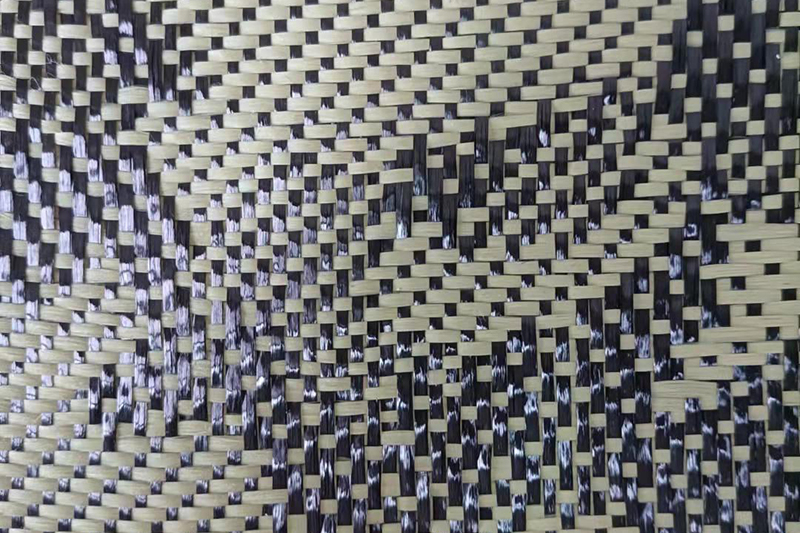
Carbon Fiber Multiaxial Fabric is built from carbon fiber layers arranged in multiple directions, such as 0°, 90°, and ±45°. These layers are stitched instead of woven, creating a non-crimp structure. Straighter fibers carry loads more efficiently and reduce internal stress concentration. Engineers can select layer orientations to match expected load paths and improve durability.
This design also supports better resin flow during manufacturing. The open structure helps resin penetrate evenly, improving fiber-matrix bonding and reducing void risk. For demanding projects, stable fabric quality matters, and high-performance options like QingNiao fabrics help support consistent alignment and reliable composite results.
Many structures face bending, torsion, vibration, and shear at the same time. Reinforcement in only one direction can leave weak zones under real loads. Multiaxial fabrics address this by combining several fiber orientations in one laminate. Each layer supports strength in its direction, creating balanced reinforcement against multidirectional stress.
For example, 0° layers carry primary tension, ±45° layers resist shear and torsion, and 90° layers improve transverse stability. Together, they distribute stress more evenly and reduce peak loads, which improves durability and damage resistance.
Woven carbon fiber fabrics interlace fibers, which introduces waviness. This crimp reduces load transfer efficiency and can increase stress concentration at bends. Multiaxial fabrics keep fibers straighter because layers are stitched, not woven. Straighter fibers often improve stiffness, fatigue behavior, and structural efficiency, especially under complex loads.
Property | Traditional Woven Fabric | Multiaxial Carbon Fiber Fabric |
Fiber Orientation | Two directions | Multiple orientations |
Fiber Crimp | High | Minimal |
Load Distribution | Limited | Multidirectional |
Structural Efficiency | Moderate | High |
Carbon Fiber Multiaxial Fabric supports durability through lightweight strength, fatigue resistance, corrosion resistance, and thermal stability. These properties help structures maintain performance in harsh environments and over long service cycles. Performance also depends on correct design and manufacturing control, including resin selection and curing quality.
Property | Engineering Benefit |
High strength-to-weight ratio | Lightweight structures |
Fatigue resistance | Long service life |
Corrosion resistance | Harsh environment suitability |
Thermal stability | Reliable performance |
Durable composites depend on correct fiber alignment. Fibers carry most structural loads, so aligning orientations with load paths improves efficiency and reduces stress on the resin matrix. Multiaxial fabrics simplify this by offering multiple orientations in one reinforcement package. Engineers can choose configurations that match bending, torsion, and shear conditions to reduce stress concentration and improve long-term performance.
Weak points often appear near joints, openings, and thickness transitions. Multiaxial layers distribute forces across several directions, reducing localized stress and improving stability. These fabrics also help control interlaminar stress, lowering delamination risk in demanding load zones. Simulation tools can guide layer placement and improve reinforcement planning.
Tip: Finite element simulation can help engineers identify weak areas before designing fiber orientation.
Repeated loads can cause crack initiation and gradual damage. Carbon fiber composites resist fatigue well, and multiaxial reinforcement improves load sharing across layers. This reduces peak stress in any single direction and slows crack growth. Better fatigue resistance extends service life and reduces maintenance frequency in structures that operate continuously.
Dynamic forces such as vibration, wind, and wave impact can reduce stiffness over time if loads concentrate in one direction. Multiaxial reinforcement helps maintain stability by resisting deformation in multiple directions. This improves durability in transportation systems, marine structures, and renewable energy components where loads change constantly.
Carbon fiber composites increase load capacity without heavy weight gain. High tensile strength allows thinner reinforcement layers to add significant capacity, while multiaxial structures spread loads to reduce local failure risk. This makes carbon fiber reinforcement useful for strength upgrades where weight limits are strict.
Material | Density | Relative Strength |
Steel | High | High |
Aluminum | Medium | Medium |
Carbon Fiber Composite | Low | Very High |
Carbon fiber composites combine low density with high strength, supporting lighter structures with strong load capacity. Multiaxial fabrics improve efficiency by keeping fibers straighter and distributing loads across directions. This reduces the need for excessive thickness and helps maintain stable stiffness. For consistent results, high-quality reinforcement options such as QingNiao fabrics help support reliable alignment and composite performance.
Fatigue damage builds over long service cycles, especially in bridges, aircraft, and rotating equipment. Carbon fibers maintain strength under repeated stress, and multiaxial layups distribute stress across multiple directions. This reduces peak loads and slows crack growth. Strong fatigue performance improves reliability and reduces long-term inspection pressure.
Carbon fiber composites resist corrosion in wet, salty, or chemically aggressive environments. This reduces maintenance compared with metals and supports long service life in marine and coastal infrastructure. Corrosion resistance also helps stabilize performance, since structural strength does not degrade through rusting.
Carbon fibers have low thermal expansion, helping composites maintain dimensional stability under temperature swings. This supports reliable performance in aerospace and outdoor structures. Multiaxial reinforcement can also reduce internal stress buildup by spreading thermal-related strain across layers.
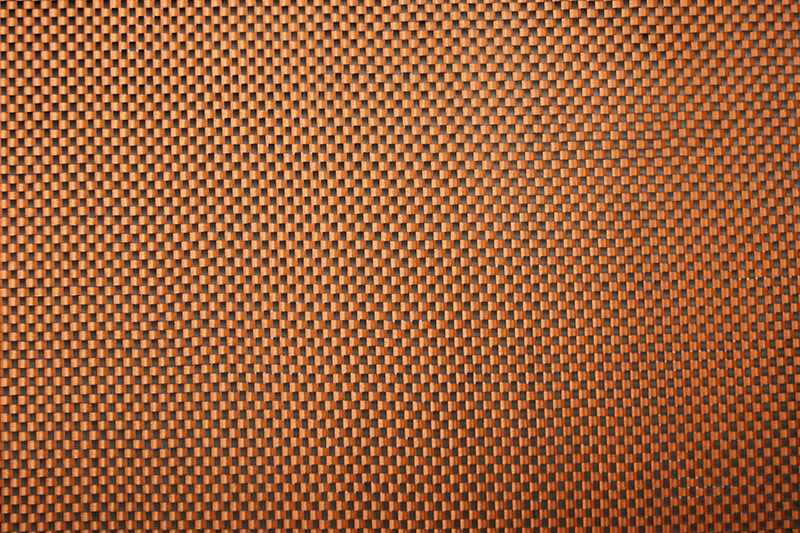
Aircraft structures need lightweight strength under complex loads. Multiaxial fabrics distribute aerodynamic stress across directions, improving stability and fatigue resistance. Weight reduction also improves fuel efficiency and operating cost. High-quality fabrics, including those from QingNiao, help maintain consistent composite reinforcement where precision matters.
Automotive and EV systems use carbon fiber composites to reduce mass while keeping structural strength. Lower weight improves efficiency and extends EV range. Multiaxial fabrics help handle mixed loads from braking, cornering, and vibration. Their corrosion resistance also improves durability in real road conditions.
Marine systems face corrosion and repeated wave loads. Carbon fiber composites resist saltwater corrosion and maintain stiffness under cyclic stress. Multiaxial fabrics distribute wave forces and reduce fatigue risk, supporting longer service life for hulls and offshore components.
Carbon fiber reinforcement upgrades structures without heavy added mass. Multiaxial fabrics support multidirectional load resistance, which is useful for bridges exposed to traffic, wind, and temperature cycles. Lightweight application also improves installation efficiency during retrofits.
RTM injects resin into dry fabrics in a closed mold. It supports strong fiber-resin bonding and low void content, improving strength and fatigue performance. RTM is often used where repeatable quality and tight tolerances matter.
Vacuum infusion draws resin through fabrics under vacuum pressure. It improves resin distribution, reduces trapped air, and supports consistent wet-out in large parts. This method is common for wind blades, marine structures, and large reinforcement panels.
Good wet-out ensures resin fully bonds with fibers and supports load transfer. Resin choice affects heat resistance, stiffness, and long-term durability. Engineers match resin systems to operating conditions and validate bonding quality through process controls.
Manufacturing defects can reduce durability, so inspection and process stability matter. Controlling fiber alignment, curing conditions, and void content improves repeatability. Strong quality control helps multiaxial fabrics deliver their full reinforcement potential.
Note: Correct curing temperature and pressure are essential for composite performance.
Stacking sequence controls stiffness balance and load distribution through the laminate. Symmetrical and balanced stacks reduce warping and interlaminar stress. Good stacking design improves durability by reducing delamination risk and improving fatigue performance.
Hybrid laminates combine multidirectional strength with high axial stiffness. Multiaxial layers handle torsion and shear, while unidirectional layers carry primary loads. This combination improves performance without adding unnecessary weight.
Stress concentrations form near holes, edges, and abrupt thickness changes. Smooth transitions, reinforcement patches, and careful ply drop design help spread loads and reduce cracking risk. Lower stress concentration improves fatigue life and long-term stability.
Fatigue-focused design uses simulations and testing to predict long-term behavior. Engineers adjust orientation and thickness to reduce peak stress and slow damage growth. Better fatigue design reduces maintenance and improves lifecycle reliability.
Carbon fiber composites often have higher initial cost due to material and processing requirements. However, lower weight and longer service life can reduce lifecycle cost through lower energy use and less maintenance. Efficient laminate design can also reduce material usage.
High-quality multiaxial fabrics require advanced manufacturing and stable quality control. Supply reliability affects timelines and consistency. Engineers often prioritize suppliers that can deliver repeatable properties and steady production capacity.
Composite recycling remains difficult because fibers are bonded to resin. Current recycling methods are improving but still limited for high-performance reuse. Engineers may reduce environmental impact through optimized design and waste reduction practices.
Composite performance depends on fiber orientation and manufacturing quality. Incorrect assumptions can reduce strength and durability. Designers use analysis tools and testing to confirm behavior and ensure safe structural performance.
Automation improves fiber placement accuracy and fabric consistency. Better alignment control increases repeatable strength and durability. These improvements may also lower costs and expand adoption across more industries.
Wind turbines, EVs, and lightweight rail systems increasingly rely on composites to reduce weight and improve fatigue life. Multiaxial fabrics support these applications by handling mixed loads and long service cycles with stable reinforcement performance.
Smart composites may include embedded sensors to monitor strain and detect early damage. This supports predictive maintenance and reduces unexpected failure risk. Combined with multiaxial reinforcement, smart monitoring can further improve long-term durability.
Carbon Fiber Multiaxial Fabric improves structural durability through multidirectional reinforcement, better fatigue resistance, and lightweight strength. Engineers use it across aerospace, automotive, marine, and infrastructure projects to build reliable long-life structures. High-quality carbon fiber fabrics from QingNiao further support stable performance with precise fiber alignment and durable composite reinforcement.
A: Carbon Fiber Multiaxial Fabric reinforces composite structures in aerospace, automotive, marine, and infrastructure to improve structural durability and fatigue resistance.
A: Carbon Fiber Multiaxial Fabric distributes loads across multiple fiber directions, reducing weak points and increasing fatigue resistance in composite structures.
A: Compared with woven carbon fiber, Carbon Fiber Multiaxial Fabric provides multidirectional strength and better load distribution for durable composite reinforcement.
A: Engineers choose Carbon Fiber Multiaxial Fabric based on fiber orientation, resin compatibility, and structural load requirements.


