
Views: 0 Author: Site Editor Publish Time: 2026-04-22 Origin: Site


Why are modern cars getting lighter? Traditional metals add weight and limit efficiency. Carbon Fiber Multiaxial Fabric offers a better solution by combining strength with lightweight performance.
High-quality materials, including advanced fabrics from QingNiao, help improve structural reliability. In this article, you will learn the key benefits of Carbon Fiber Multiaxial Fabric in automotive engineering and how it supports stronger, lighter vehicle design. Learn more about our products.
Carbon Fiber Multiaxial Fabric is a composite reinforcement made from carbon fibers arranged in several orientations. Typical fiber angles include 0°, ±45°, and 90°. Instead of weaving fibers together, manufacturers stitch layers of straight fibers into a non-crimp fabric structure. This architecture preserves fiber alignment and reduces internal stress concentrations. Straight fibers transfer loads more efficiently than crimped fibers found in traditional woven materials.
The stitched structure also improves resin penetration during composite manufacturing. Resin flows easily through the open architecture of the fabric. This improves bonding between fibers and the polymer matrix. Strong fiber-matrix bonding is essential because it determines the final mechanical performance of composite automotive components. As a result, carbon fiber multiaxial fabrics create structural parts with high stiffness, strength, and durability. Manufacturers such as QingNiao develop carbon fiber fabrics with precise weaving control and consistent fiber quality to ensure stable reinforcement performance in demanding engineering applications.
Traditional woven carbon fiber fabrics interlace fibers in two directions. This structure introduces fiber waviness known as crimp. Crimp reduces the ability of fibers to carry tensile loads efficiently. When fibers are bent within the weave pattern, part of the mechanical strength is lost.
Multiaxial carbon fiber fabrics solve this problem. Their straight-fiber structure allows loads to transfer directly along the fiber direction. This improves structural efficiency and reduces weak points inside composite structures. Automotive engineers therefore prefer multiaxial reinforcement when designing safety-critical components.
Property | Woven Carbon Fiber Fabric | Carbon Fiber Multiaxial Fabric |
Fiber Structure | Interwoven fibers | Stitched straight fibers |
Fiber Crimp | High | Minimal |
Load Efficiency | Moderate | High |
Structural Performance | Good | Excellent |
Automotive structures experience complex stress patterns during operation. Vehicles face forces from braking, acceleration, cornering, vibration, and road impacts. Materials reinforced in only one direction cannot effectively resist these multidirectional loads.
Multiaxial carbon fiber fabrics allow engineers to align reinforcement fibers according to expected stress paths. For example, a laminate may include 0° fibers for tensile loads, ±45° fibers for shear forces, and 90° fibers for transverse stiffness. This combination creates balanced reinforcement that improves structural reliability and reduces material waste.
Tip: Engineers often use simulation tools to determine optimal fiber orientation before producing composite parts.
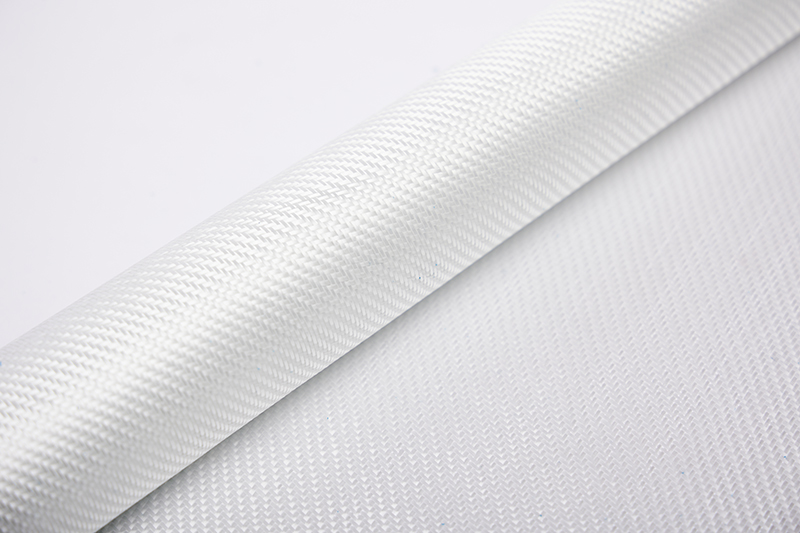
One of the most important Carbon Fiber Multiaxial Fabric automotive benefits is its exceptional strength-to-weight ratio. Carbon fibers are significantly lighter than steel while providing comparable or even greater mechanical strength. This property allows automotive engineers to reduce structural mass without sacrificing durability or safety.
Lower weight improves overall vehicle performance. Lighter vehicles accelerate faster and require less braking force. Handling also improves because reduced mass decreases inertia during steering and cornering. High-performance vehicles and electric vehicles rely heavily on lightweight composite structures for these reasons.
Reducing vehicle weight directly improves energy efficiency. A lighter vehicle requires less fuel or electricity to move. Studies show that even small weight reductions can significantly improve fuel economy and reduce emissions. Automotive manufacturers therefore prioritize lightweight materials when designing new vehicle platforms.
Carbon Fiber Multiaxial Fabric supports lightweighting because it provides high structural strength with minimal material thickness. Engineers can reduce the number of structural layers while maintaining mechanical performance. This efficient material usage contributes to lower vehicle mass and improved energy efficiency.
Electric vehicles depend on battery energy storage. Heavy structures increase energy consumption and reduce driving range. Carbon fiber multiaxial reinforcement helps solve this challenge by reducing structural mass in EV chassis and battery enclosures.
A lighter vehicle requires less energy to travel the same distance. This increases driving range and improves overall vehicle efficiency. As a result, many electric vehicle manufacturers incorporate carbon fiber composite structures into next-generation vehicle designs.
Vehicle dynamics depend strongly on weight distribution and structural stiffness. Carbon fiber composite components improve both factors. Lightweight materials reduce inertia, while high stiffness improves chassis rigidity.
Better rigidity improves steering response and stability during high-speed driving. For sports cars and high-performance vehicles, these improvements directly enhance driving experience. Multiaxial carbon fiber reinforcement therefore plays a key role in modern performance vehicle engineering.
Multiaxial carbon fiber fabrics distribute loads across several directions simultaneously. This capability allows composite structures to resist bending, torsion, and shear forces more effectively than traditional materials.
When a vehicle experiences complex loads, the reinforcement layers share the stress across multiple fiber orientations. This balanced load distribution prevents localized stress concentration and improves structural reliability.
Crash safety is a major priority in automotive design. Carbon fiber composites absorb energy effectively during impact events. The layered structure of composite laminates spreads impact forces across a larger area.
This energy absorption behavior helps reduce the severity of crash forces transmitted to passengers. As a result, carbon fiber reinforced structures can improve vehicle safety performance while maintaining lightweight design.
Torsional stiffness is critical for vehicle stability. When a vehicle corners or encounters uneven road surfaces, the chassis experiences twisting forces. Insufficient stiffness can lead to poor handling and reduced structural durability.
Carbon fiber multiaxial fabrics provide excellent torsional stiffness because fibers resist loads from multiple directions. Reinforced chassis structures therefore maintain alignment under dynamic driving conditions.
Automotive components undergo millions of load cycles throughout their lifetime. Fatigue damage can gradually weaken structural materials. Carbon fiber composites maintain mechanical performance even after repeated stress cycles.
This fatigue resistance extends the operational life of vehicle components. Reduced fatigue damage also lowers maintenance costs and improves long-term reliability.
Composite materials allow engineers to create complex shapes that would be difficult to manufacture using metal. Carbon fiber fabrics conform easily to curved molds and aerodynamic surfaces.
Design flexibility enables manufacturers to produce lightweight body panels, aerodynamic spoilers, and integrated structural components. These shapes improve both vehicle aesthetics and aerodynamic efficiency.
Carbon fiber composites allow multiple functions to be integrated into a single component. A body panel may serve as structural reinforcement, aerodynamic surface, and protective shell simultaneously.
This integration reduces the number of separate parts required in vehicle assembly. Fewer parts simplify manufacturing and reduce overall vehicle weight.
Engineers can tailor fiber orientation according to specific load conditions. This customization ensures that reinforcement material is placed exactly where structural strength is needed.
Optimized fiber orientation improves structural efficiency and reduces unnecessary material usage. Automotive manufacturers therefore achieve stronger structures while maintaining lightweight design.
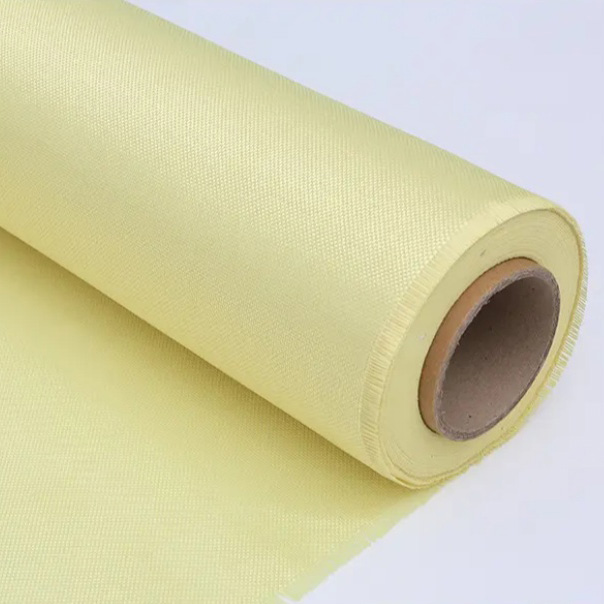
Vehicle chassis systems form the structural backbone of automotive platforms. Carbon fiber multiaxial reinforcement increases chassis stiffness while reducing overall vehicle mass. Compared with traditional metal frames, composite chassis structures provide higher strength while maintaining lightweight characteristics.
Improved chassis rigidity enhances vehicle handling and stability. A stiffer chassis improves steering response and cornering performance, especially in high-speed or high-performance vehicles. It also improves crash safety by maintaining structural integrity during impact events and distributing loads more evenly throughout the vehicle frame.
Electric vehicle batteries require protective structures that resist mechanical damage and thermal stress. Carbon fiber composite enclosures provide strong protection while maintaining low weight. This lightweight structure helps improve vehicle efficiency and reduce the overall load on the powertrain system.
These structures protect battery systems from impact while improving vehicle efficiency. In addition, carbon fiber composites provide excellent insulation and durability, helping battery enclosures maintain stability under vibration, road impact, and temperature fluctuations during long-term operation.
Automotive body panels benefit from carbon fiber composites because they combine lightweight performance with high stiffness. Carbon fiber roofs, doors, and hoods reduce vehicle mass while maintaining structural strength.
In addition to structural benefits, carbon fiber body panels also allow more complex aerodynamic shapes. Engineers can design smoother curves and integrated exterior components that improve airflow around the vehicle. This aerodynamic advantage contributes to better fuel efficiency and improved driving performance.
Crash structures such as bumpers and energy absorption zones often use carbon fiber composites. These materials absorb impact energy and protect critical vehicle systems during collisions.
The layered structure of carbon fiber composites spreads impact forces across multiple reinforcement layers. This energy absorption capability helps reduce damage to passenger compartments and improves overall crash safety performance in modern vehicles.
Automotive Component | Benefit of Carbon Fiber Multiaxial Fabric |
Chassis | High stiffness and reduced weight |
Battery enclosure | Impact protection with lightweight structure |
Body panels | Improved aerodynamics and structural strength |
Crash structures | Better energy absorption |
Steel components are vulnerable to corrosion when exposed to moisture and road salt. Carbon fiber composites do not corrode because carbon fibers are chemically stable. This advantage is especially valuable for vehicles operating in coastal or winter environments where corrosion risk is high.
This corrosion resistance extends the service life of automotive components and reduces maintenance requirements. As a result, vehicles using carbon fiber reinforced structures often experience lower long-term repair costs.
Carbon fiber composites maintain mechanical strength even after repeated stress cycles. Automotive components experience constant vibration, acceleration forces, and road impacts during operation.
This property improves durability in components that experience constant vibration and dynamic loads. Multiaxial reinforcement distributes stress across multiple directions, slowing crack formation and increasing component lifespan.
Vehicles operate under wide temperature ranges, from cold winter climates to high engine temperatures. Carbon fiber composites maintain dimensional stability under these conditions.
This stability ensures consistent mechanical performance and prevents deformation caused by thermal expansion. As a result, composite automotive structures remain reliable across diverse operating environments.
Material | Density | Corrosion Resistance | Fatigue Resistance |
Steel | High | Moderate | Moderate |
Aluminum | Medium | Good | Moderate |
Carbon Fiber Composite | Low | Excellent | Excellent |
Carbon fiber multiaxial fabrics are compatible with advanced manufacturing methods such as Resin Transfer Molding and Vacuum Infusion. These processes allow manufacturers to produce complex automotive components with high precision.
Such manufacturing techniques also enable consistent fiber placement and uniform resin distribution. This results in strong composite parts with minimal internal defects.
The open architecture of multiaxial fabrics allows resin to flow evenly through reinforcement layers. Uniform resin distribution improves bonding between fibers and matrix materials.
Better fiber wet-out strengthens the composite structure and reduces weak points. This improves mechanical reliability and structural durability in finished automotive components.
Improved resin flow reduces manufacturing defects such as voids and dry spots. As a result, manufacturers achieve higher quality composite parts with consistent performance.
Efficient manufacturing processes also reduce material waste and production time. These improvements support the growing adoption of composite materials in automotive engineering.
Note: Proper curing temperature and pressure are essential for achieving optimal composite strength.
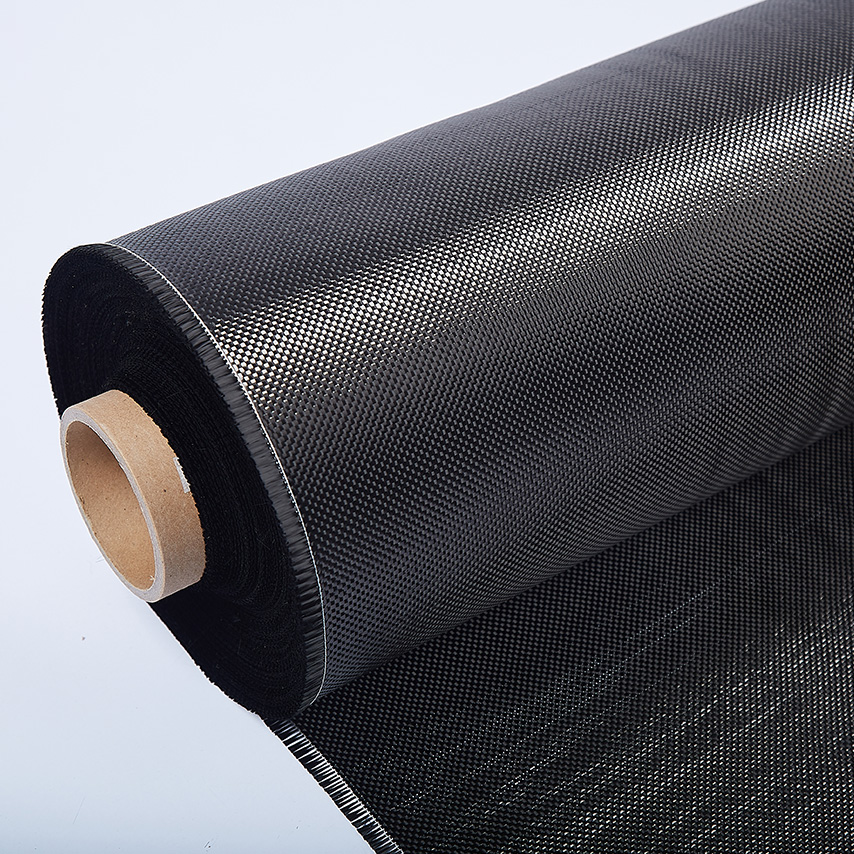
Carbon fiber materials remain more expensive than traditional metals. Manufacturing carbon fibers requires specialized equipment and energy-intensive processes.
However, the long-term benefits often offset the higher initial cost. Reduced vehicle weight lowers energy consumption, while improved durability reduces maintenance and replacement expenses.
Despite higher costs, many automotive manufacturers adopt carbon fiber composites for high-performance vehicles and electric vehicles. These sectors prioritize lightweight design and structural efficiency.
Luxury vehicles, sports cars, and advanced electric vehicles increasingly rely on composite structures to achieve higher efficiency and better driving performance.
Advancements in automated manufacturing technologies are gradually reducing the cost of carbon fiber components. New textile production systems and automated layup technologies improve efficiency.
These improvements may allow broader adoption across the automotive industry, making carbon fiber composites more accessible for mainstream vehicle production.
Future automotive design will prioritize lightweight mobility and sustainability. Carbon fiber composite materials support these goals by reducing energy consumption and emissions.
Lightweight structures allow vehicles to travel further using less energy, which is particularly important for electric mobility systems.
Automation and advanced textile production techniques are improving fiber alignment and fabric quality. These innovations enhance composite performance and manufacturing efficiency.
Improved manufacturing precision also enables large-scale production of composite automotive components.
Future composite materials may include embedded sensors capable of monitoring structural health. These smart systems could detect stress accumulation and prevent structural failure.
Such technologies will allow vehicles to monitor their own structural condition in real time, improving safety and reliability in next-generation automotive systems.
Carbon Fiber Multiaxial Fabric helps vehicles become lighter and stronger. Its high strength-to-weight ratio improves efficiency, durability, and safety. These advantages support better fuel economy and longer electric vehicle range. High-quality carbon fiber fabrics from QingNiao provide stable reinforcement and reliable performance for modern automotive composite structures.
A: Carbon Fiber Multiaxial Fabric automotive benefits include lightweight strength, improved crash resistance, and better energy efficiency in modern vehicle structures.
A: Engineers use Carbon Fiber Multiaxial Fabric in chassis, body panels, and battery enclosures to improve structural strength and reduce vehicle weight.
A: Carbon Fiber Multiaxial Fabric automotive benefits help electric vehicles reduce mass, improve battery range, and enhance structural durability.
A: Carbon Fiber Multiaxial Fabric offers higher strength-to-weight ratio than steel, making vehicles lighter, more efficient, and structurally durable.


